Chapter 01 · The trip
Japan, through
an engineer’s
eyes.
Industrial visits, classroom exchange, and daily life with classmates. A journal of how learning abroad connected my technical education with a deeper understanding of people, culture, and business.
- Tokyo June 14 – 18
- Osaka June 18 – 21
- Kyoto June 20 · day trip
- Hamamatsu June 21 – 23
- Hiroshima June 23 – 27
01 / 05
Tokyo
June 14 – 18, 2026
Based at The Knot Tokyo Shinjuku
Landing, and learning to read a city of fourteen million by train map.
On the program
-
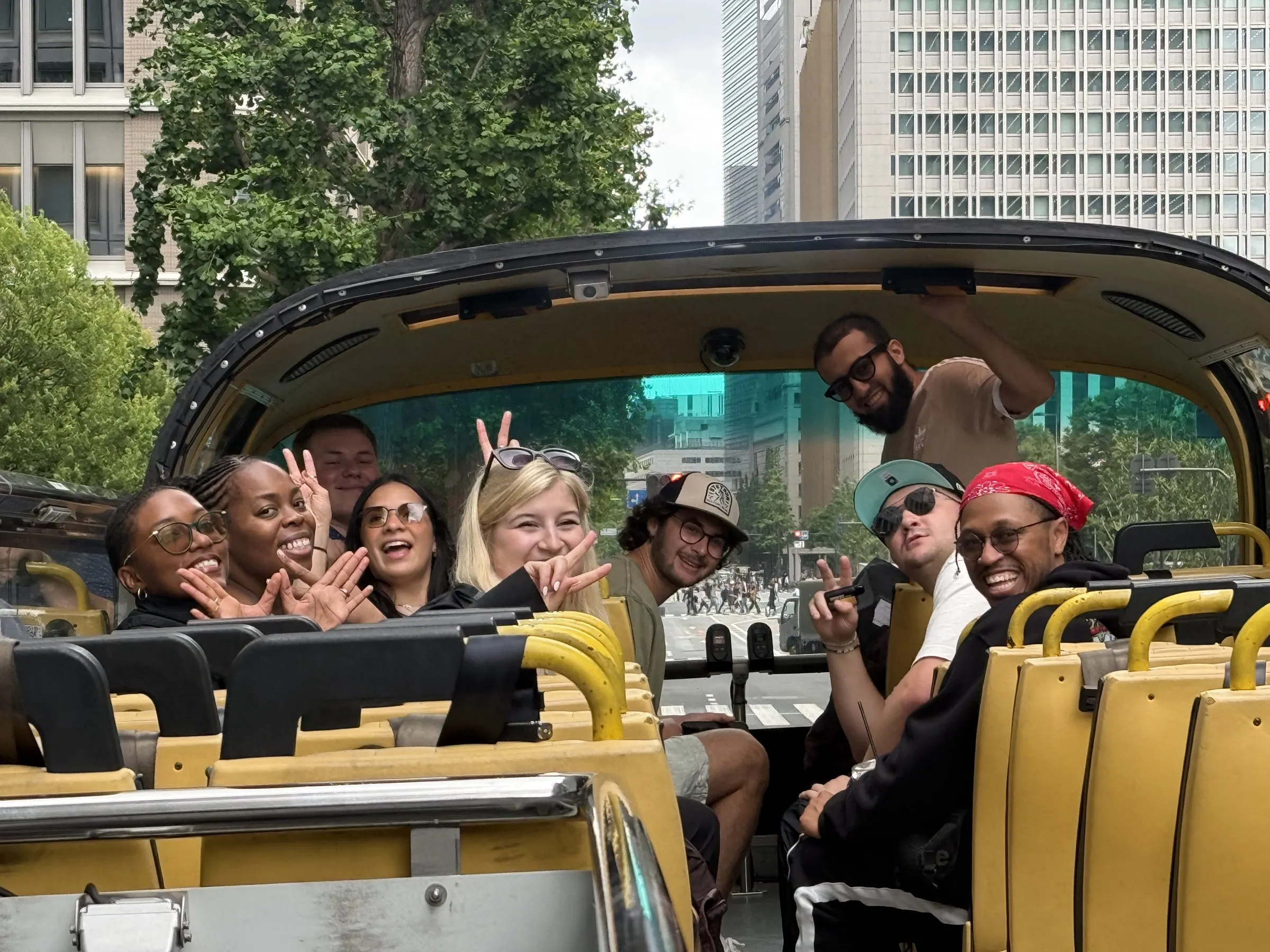
City orientation by open-top bus
A hop-on, hop-off double-decker tour across the middle of the day, to get the shape of the city before we started working in it.
-
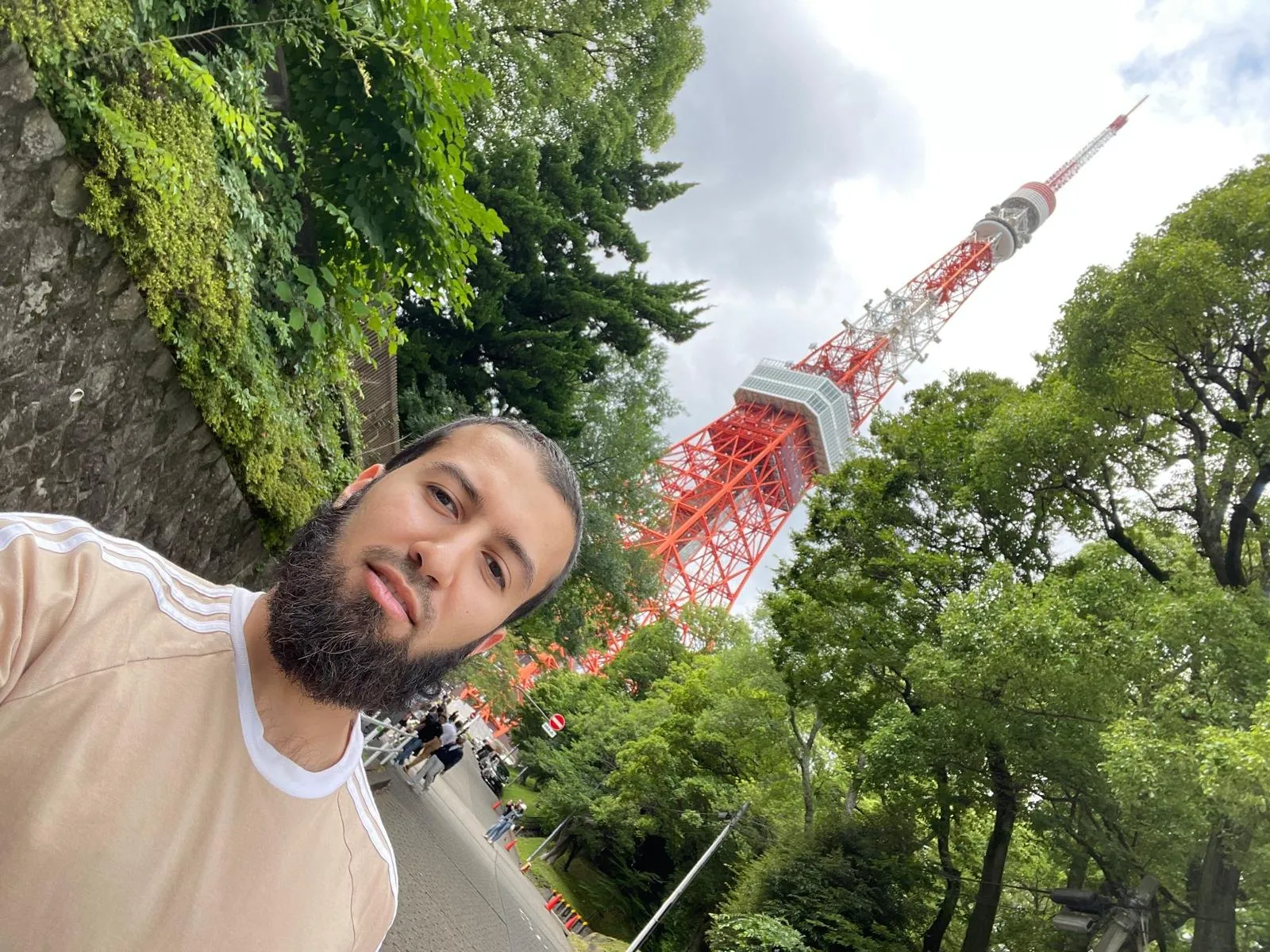
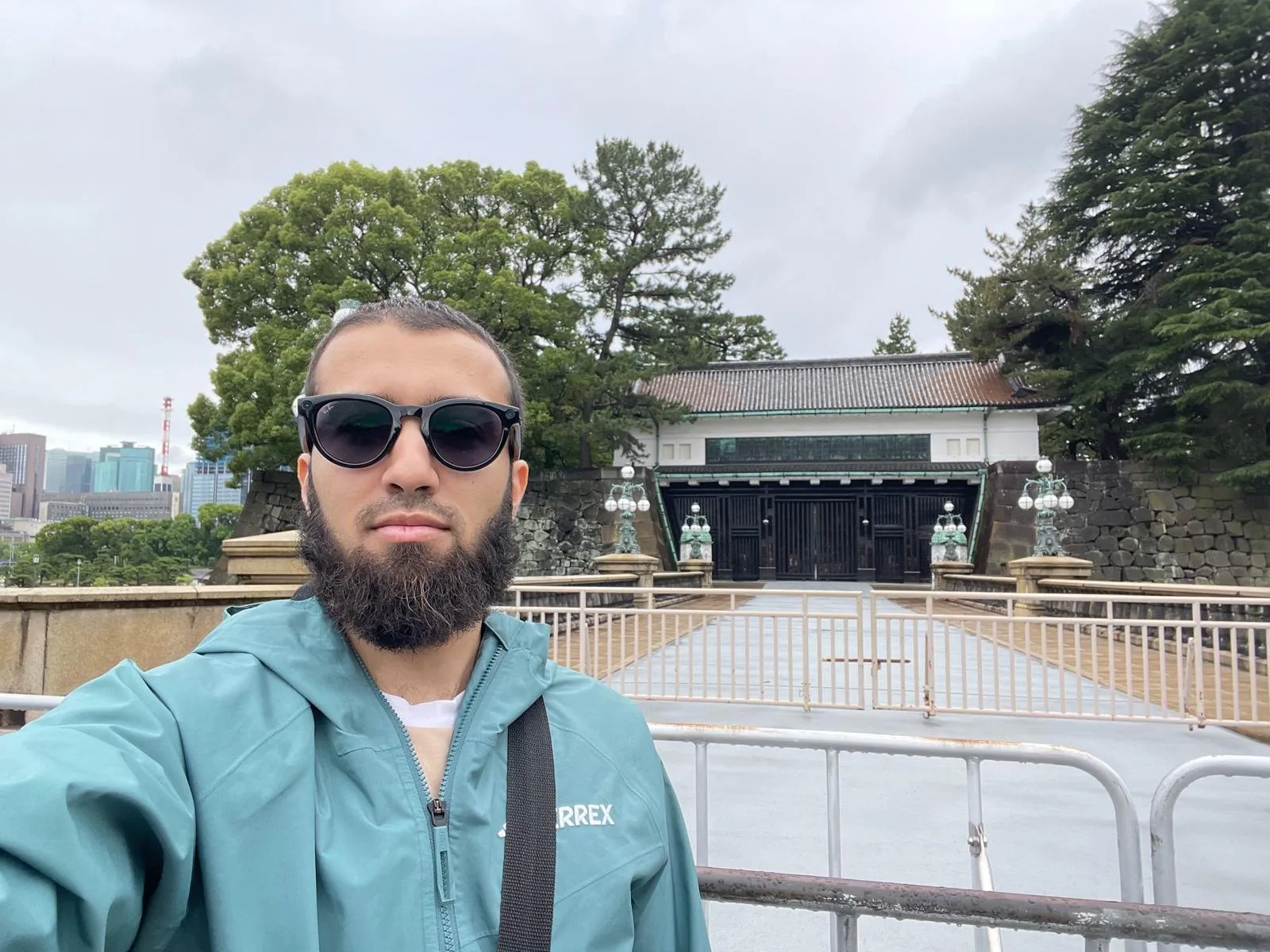
Tokyo Tower and the palace grounds
The 1958 broadcast tower, and a stop at the imperial palace grounds sitting in the middle of the business district.
-
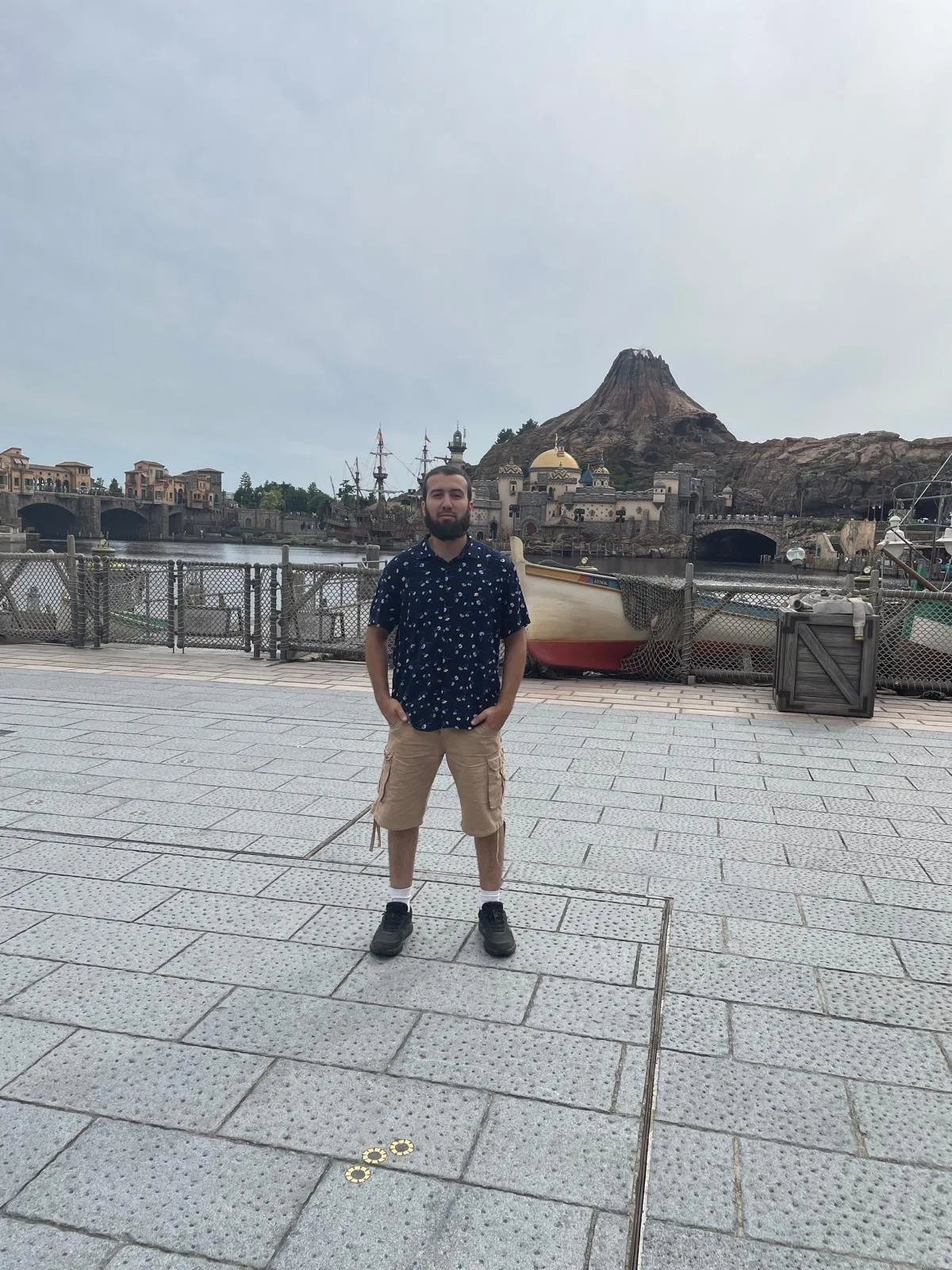
Tokyo DisneySea
A full scheduled day. It sounds like a day off, and it is also the most tightly operated crowd-flow system most of us had ever stood inside.
-
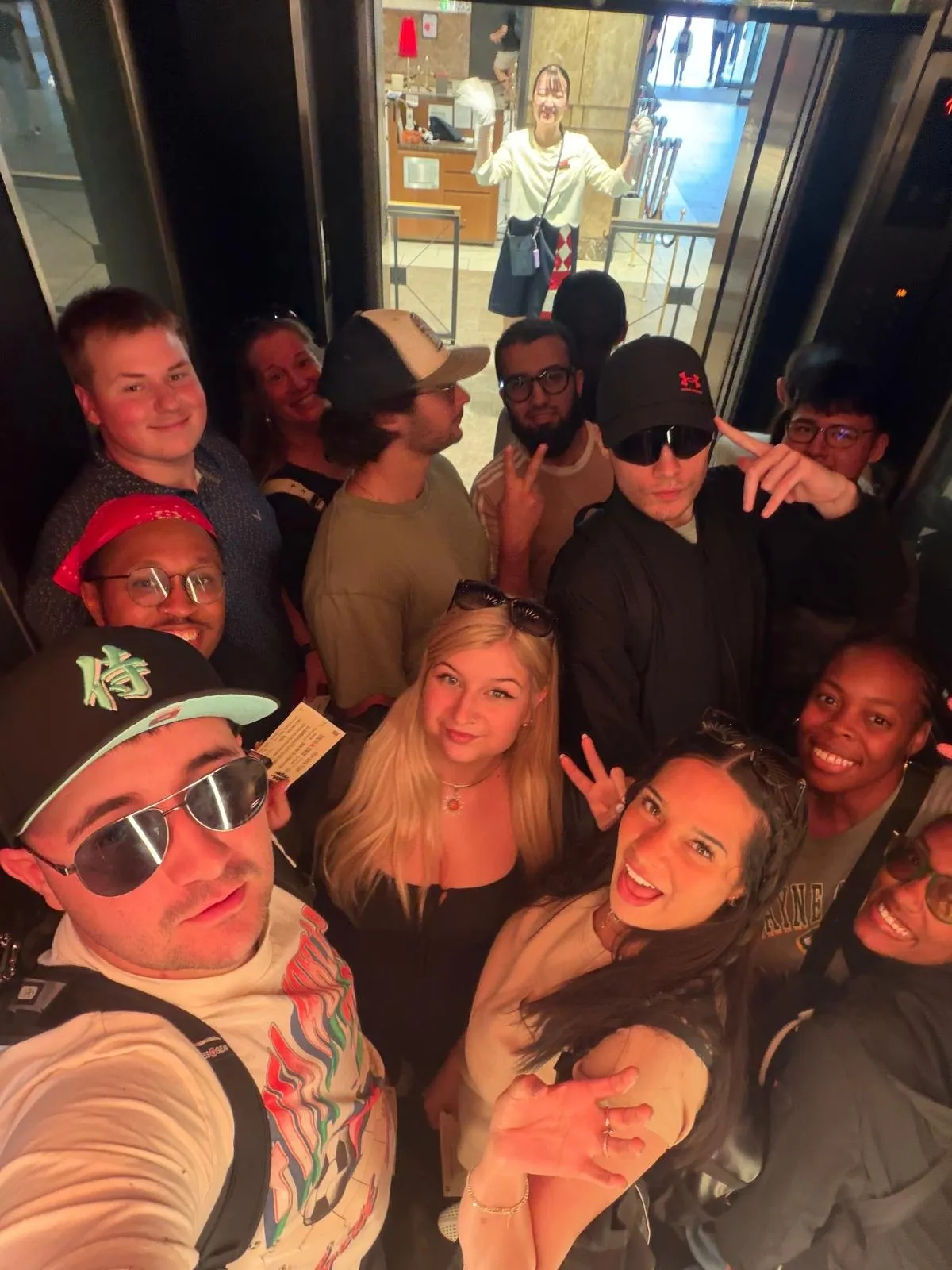
Team dinner and karaoke
The scheduled evening where a group of strangers turns into a group.
On my own time
-
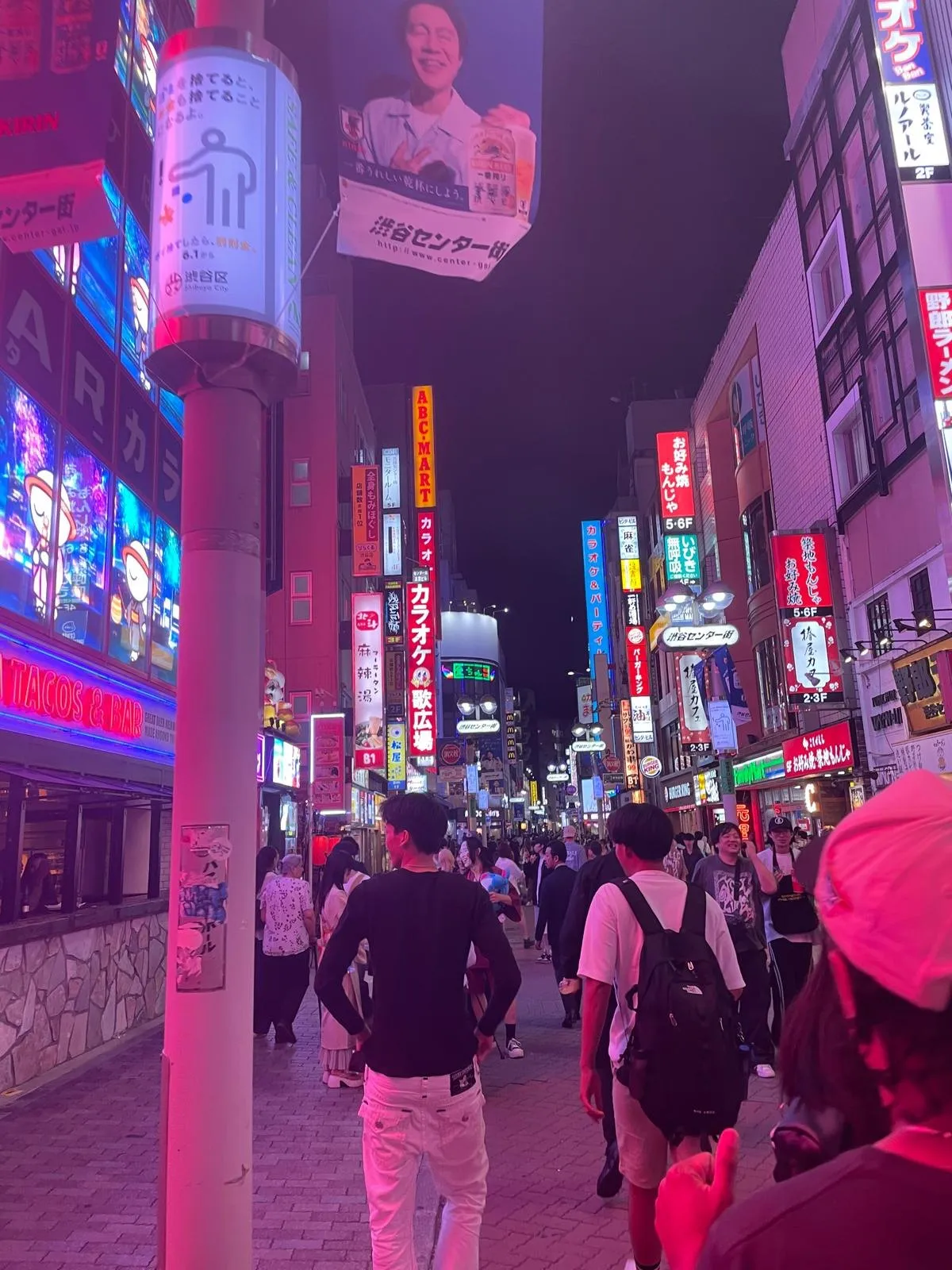
Shibuya Crossing and Don Quijote
Went out with classmates to the crossing and the discount megastore everyone ends up in at midnight.
-
A mountain onsen with a view of Fuji
Travelled out of the city on my own to a hot spring looking back over Mount Fuji and the valley below. Then a second, much higher one about four hours out.
-
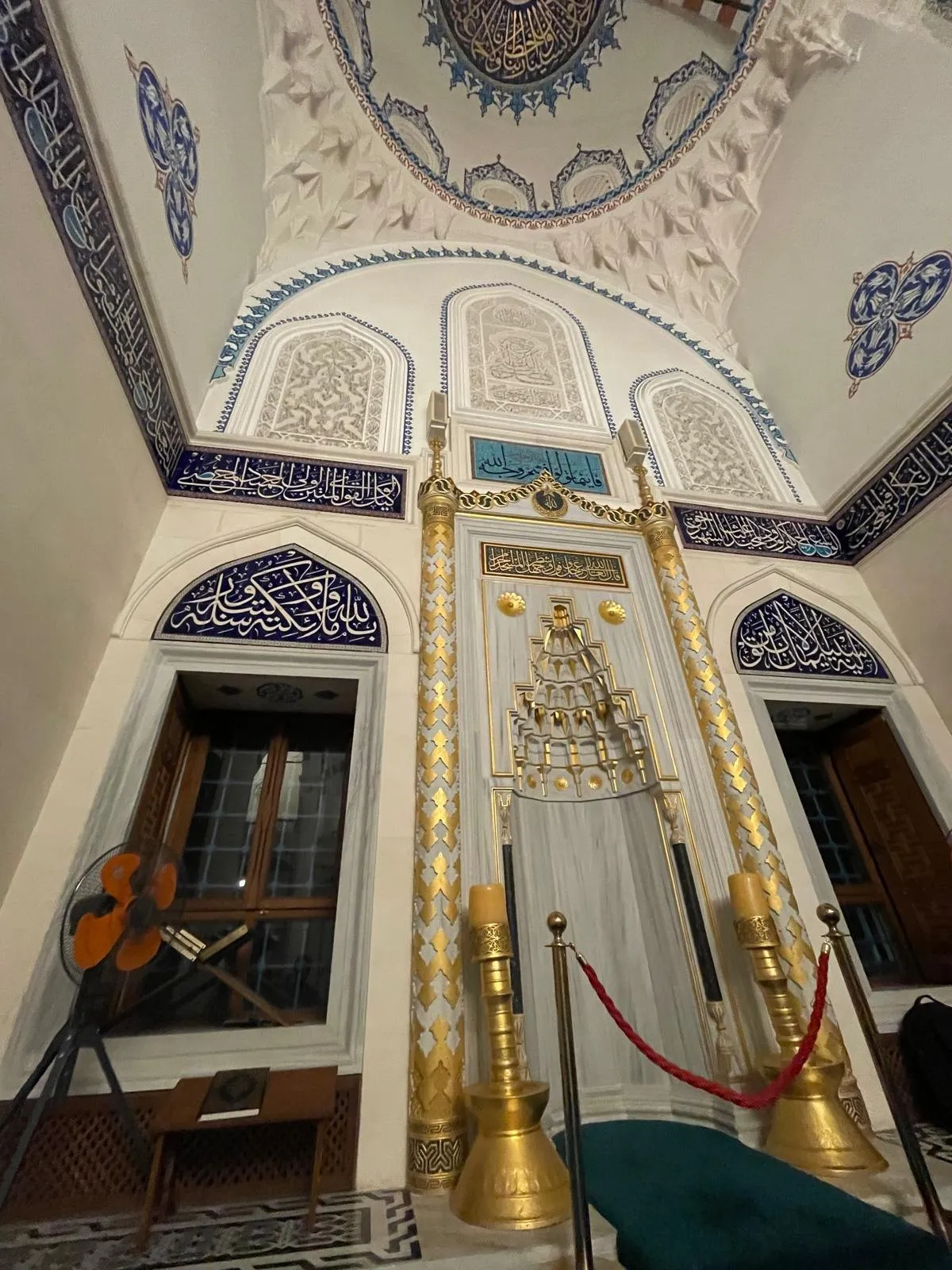
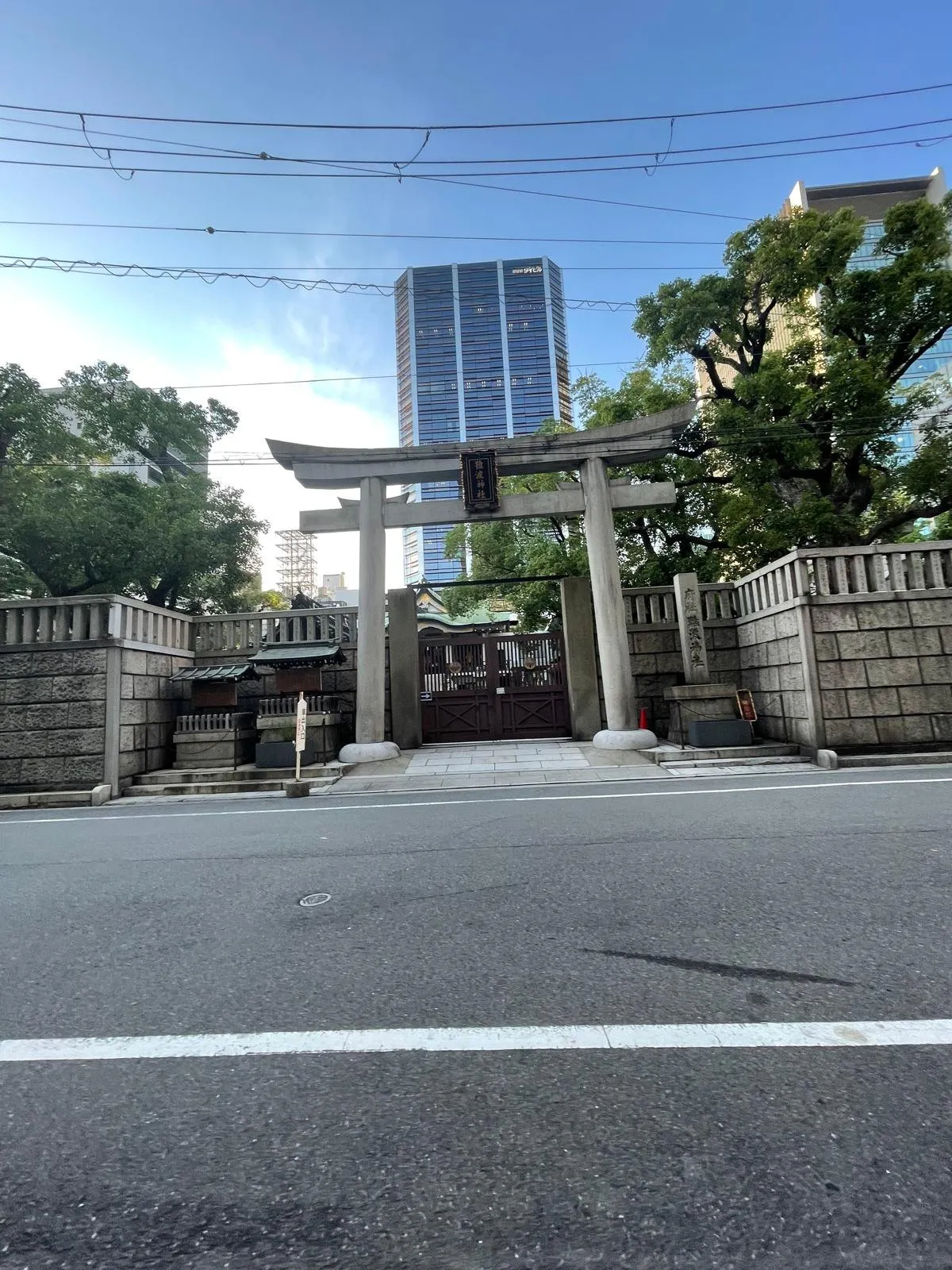
Shrines, thrift stores and Tokyo Camii
Went looking for the ordinary city rather than the postcard one, and for halal food in every place we stayed.
What I took from it
An earthquake hit while we were in Tokyo. What struck me was that the engineering was good enough that daily life did not stop. Some people felt it more than others and the city carried on. That was my first real lesson of the trip, and it was not on the itinerary.
02 / 05
Osaka
June 18 – 21, 2026
Based at Villa Fontaine Grand Osaka-Umeda
A classroom with Japanese students, and the part of the trip I could not have planned.
On the program
-
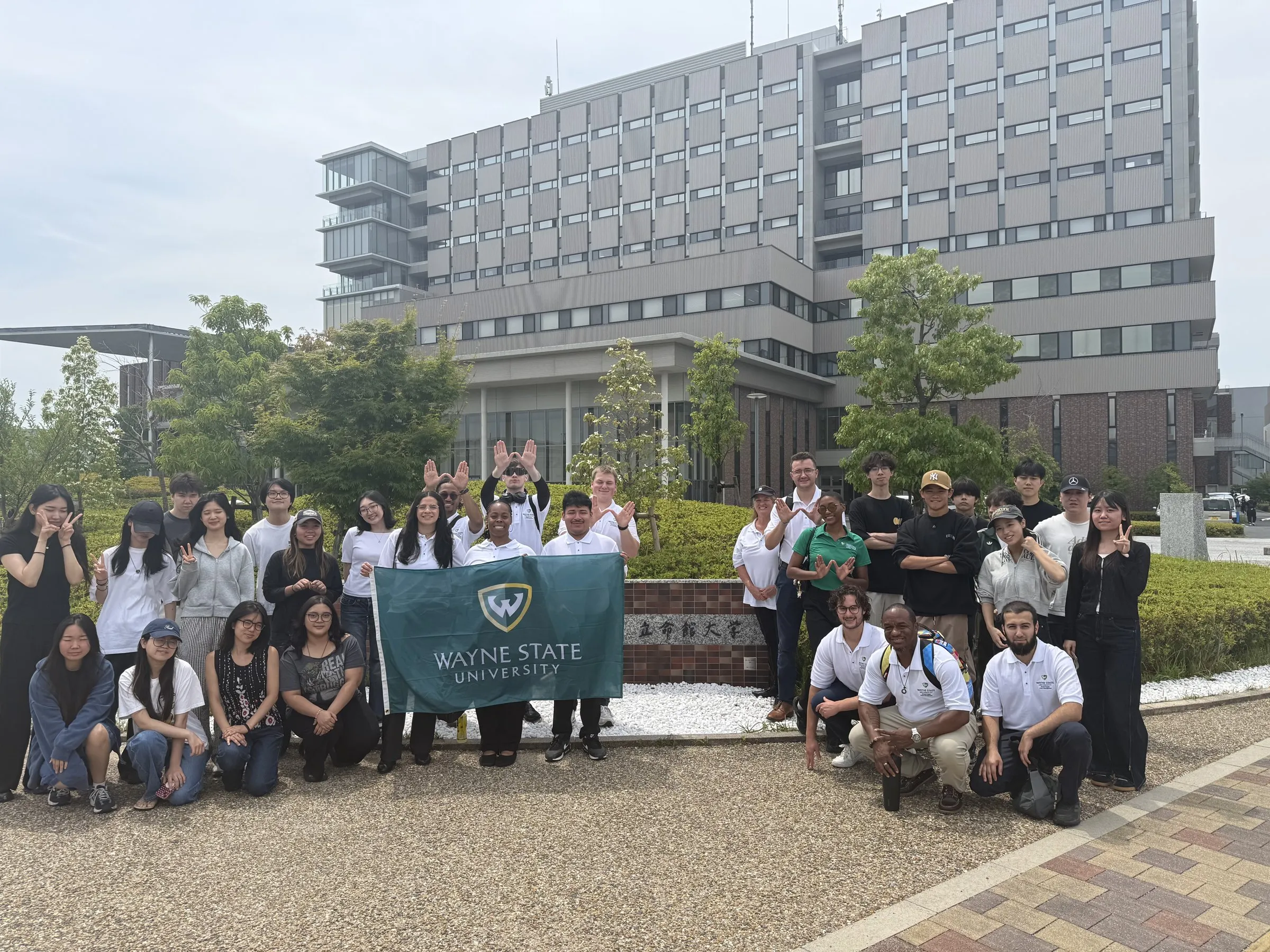
A morning inside a Japanese university
We sat in on a class and spent the rest of the morning networking with students there. The itinerary called it a college visit; in practice it was the first time most of us had worked with Japanese peers.
-
The OpenAI case study
We worked through a case on OpenAI — its leadership situation and its stakeholders, Microsoft among them — alongside the students. Cross-cultural communication stopped being a seminar topic and became the actual task.
On my own time
-
A remote village, and the people in it
Travelled out on my own to a small village and made friends with locals. This is the thing I would not have got from any itinerary.
-
Invited into a local celebration
Got invited to join a Japanese celebration, and separately to dinner by another group. Neither was arranged by anyone.
-
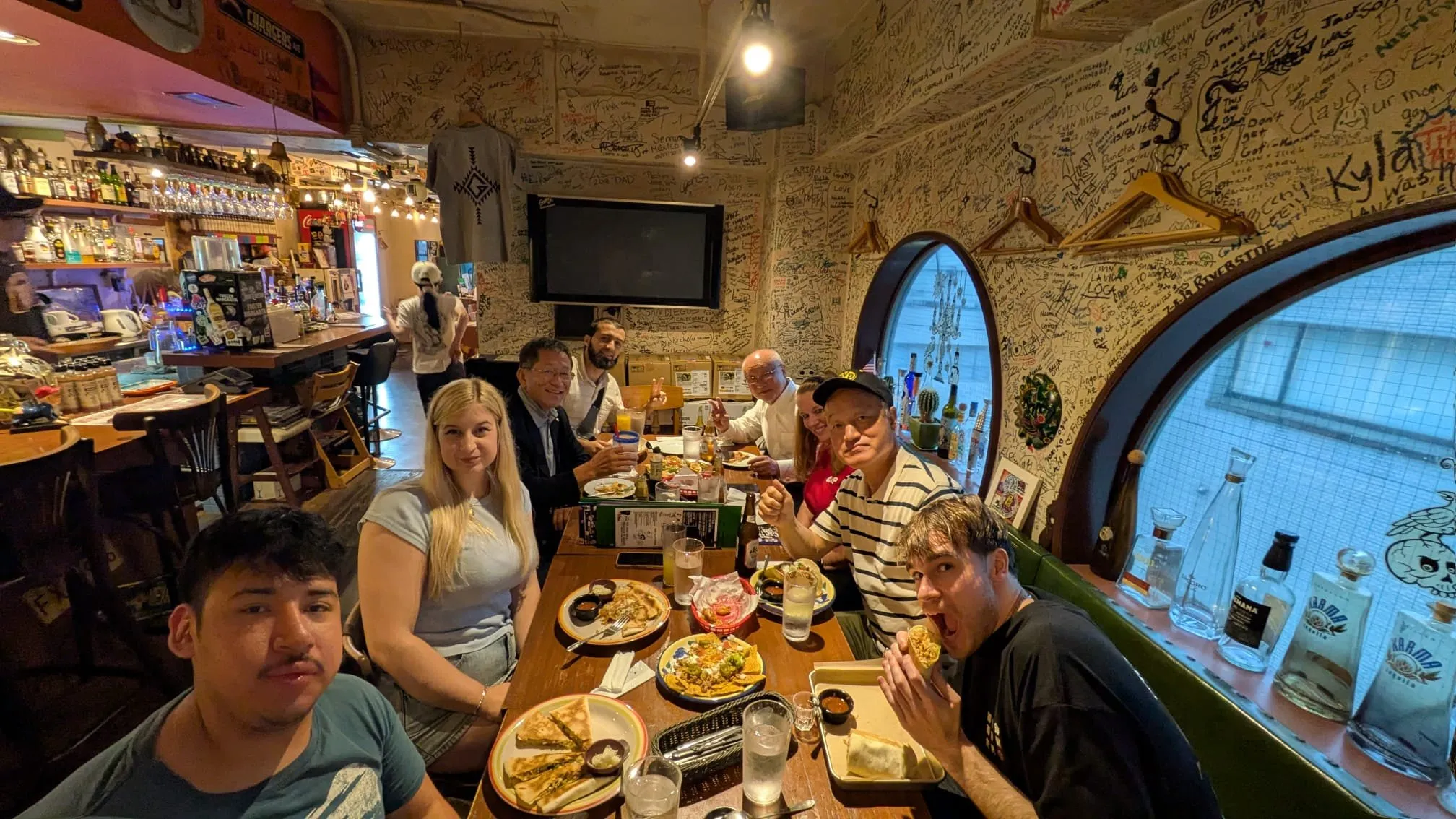
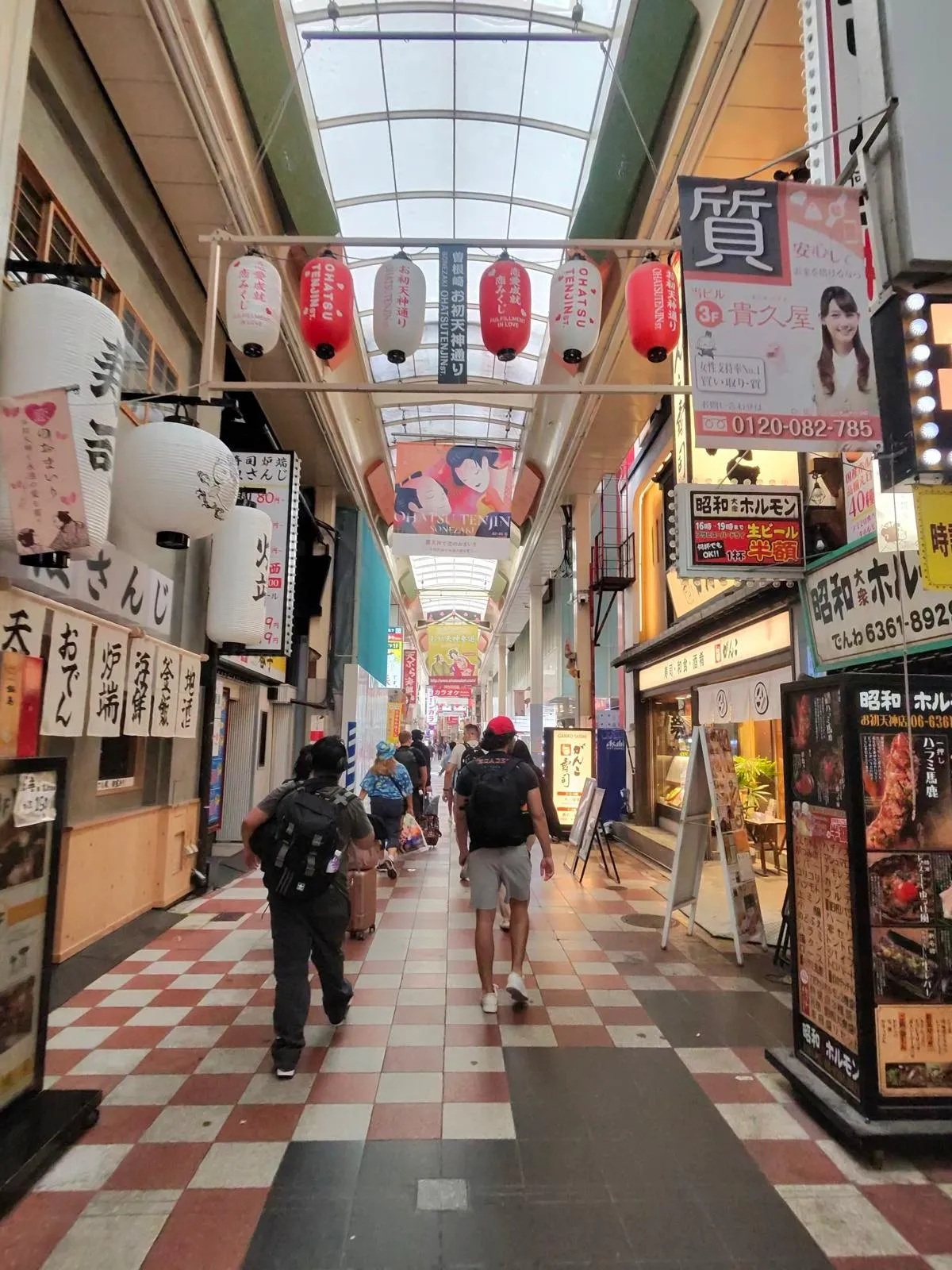
The river, the arcades, and eating properly
Walked the covered shopping arcades and the area by the river, and finally ate well after a week of hunting for halal food.
What I took from it
The scheduled half of this stop was three hours in a classroom. The half that changed how I travel was a village I went to alone and a celebration I was invited into by strangers. A good program gives you both, but only one of them is printed on the itinerary.
Day trip
Kyoto
June 20 · day trip, 2026
One day, out and back from Osaka. The stop that was not about industry, and the one I would not cut.
On the program
-
Temples, morning and afternoon
Out by rail at nine, temples either side of lunch, back to the Osaka hotel by late afternoon. A short day, deliberately.
-
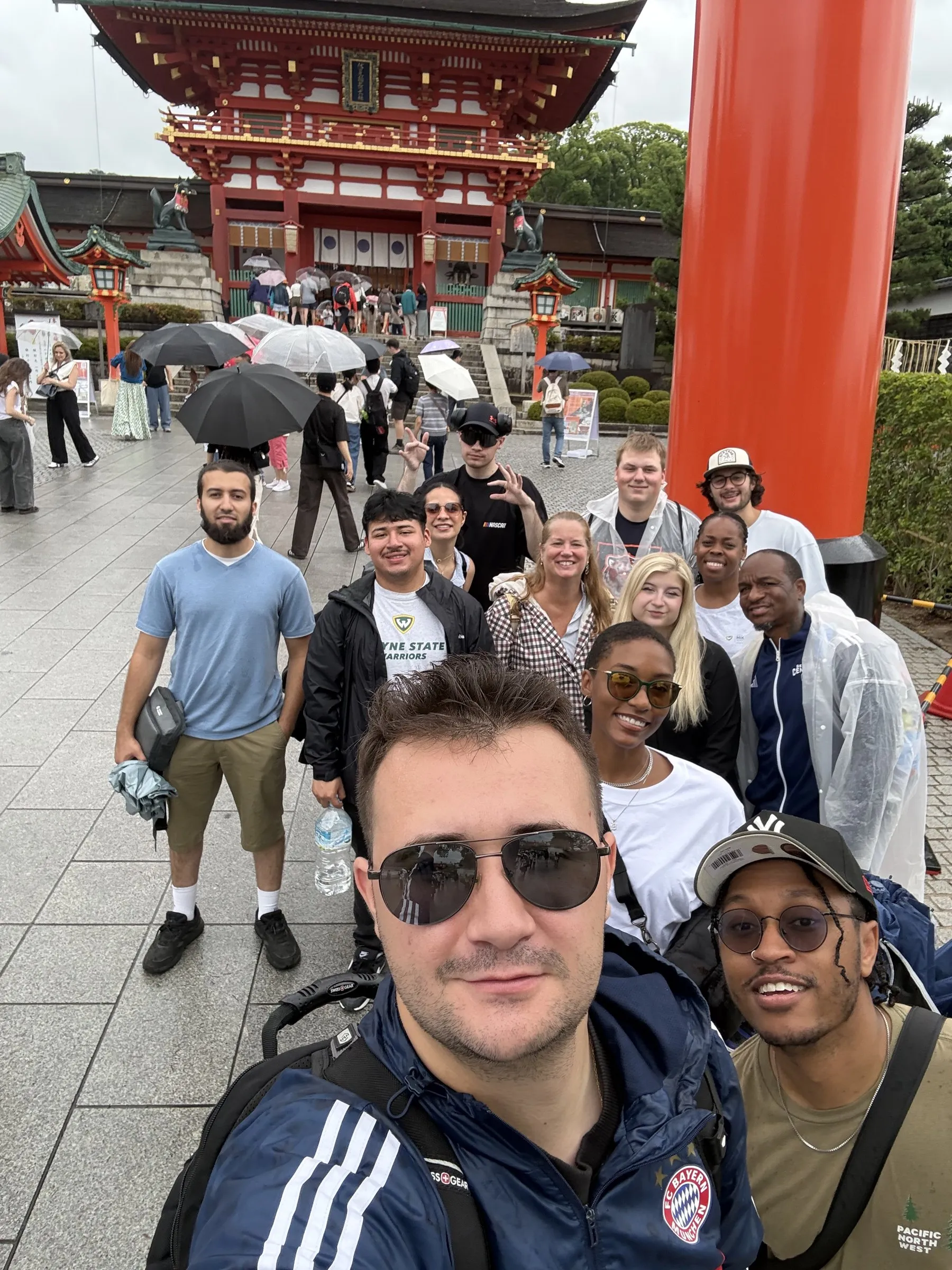
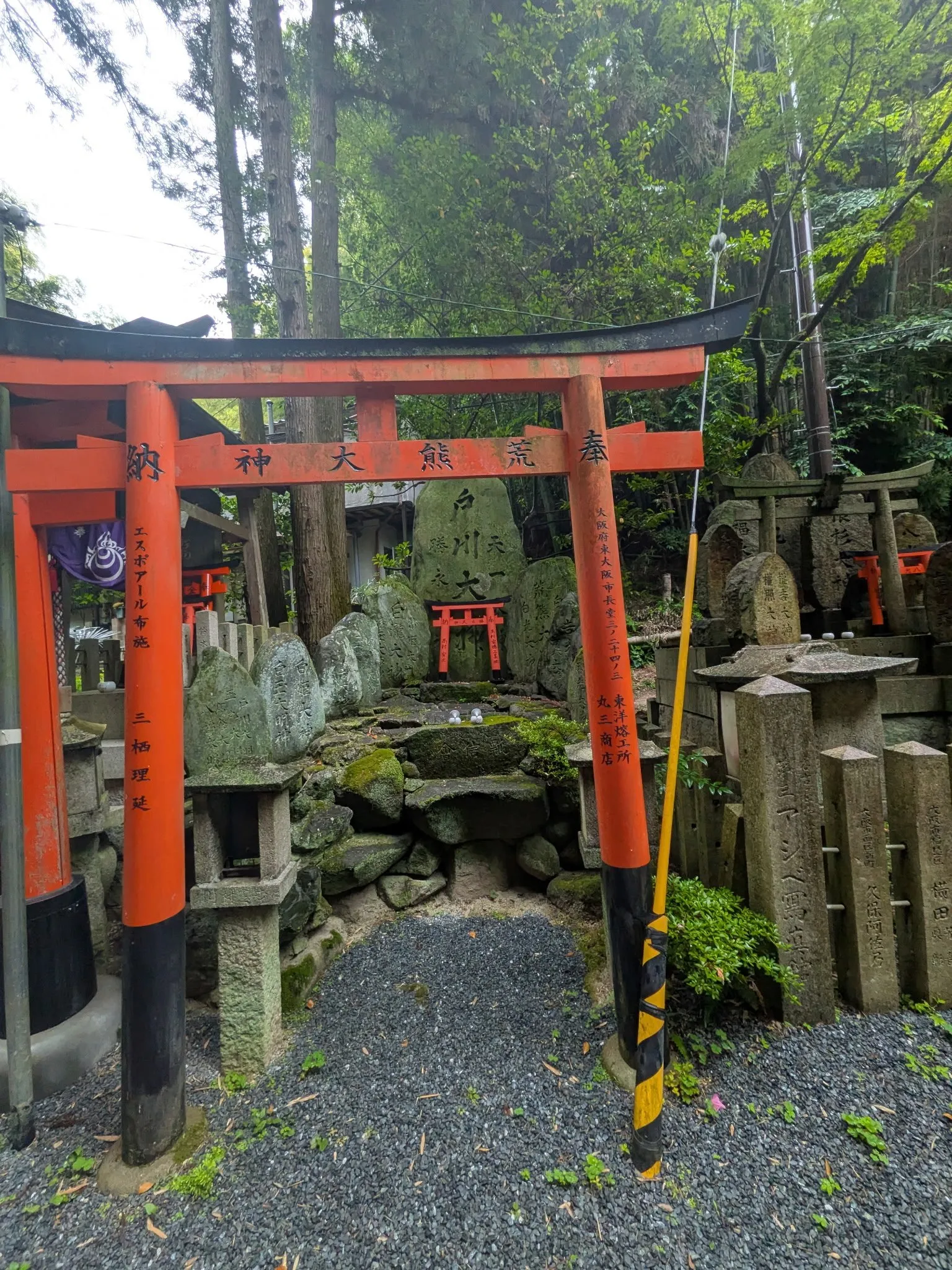
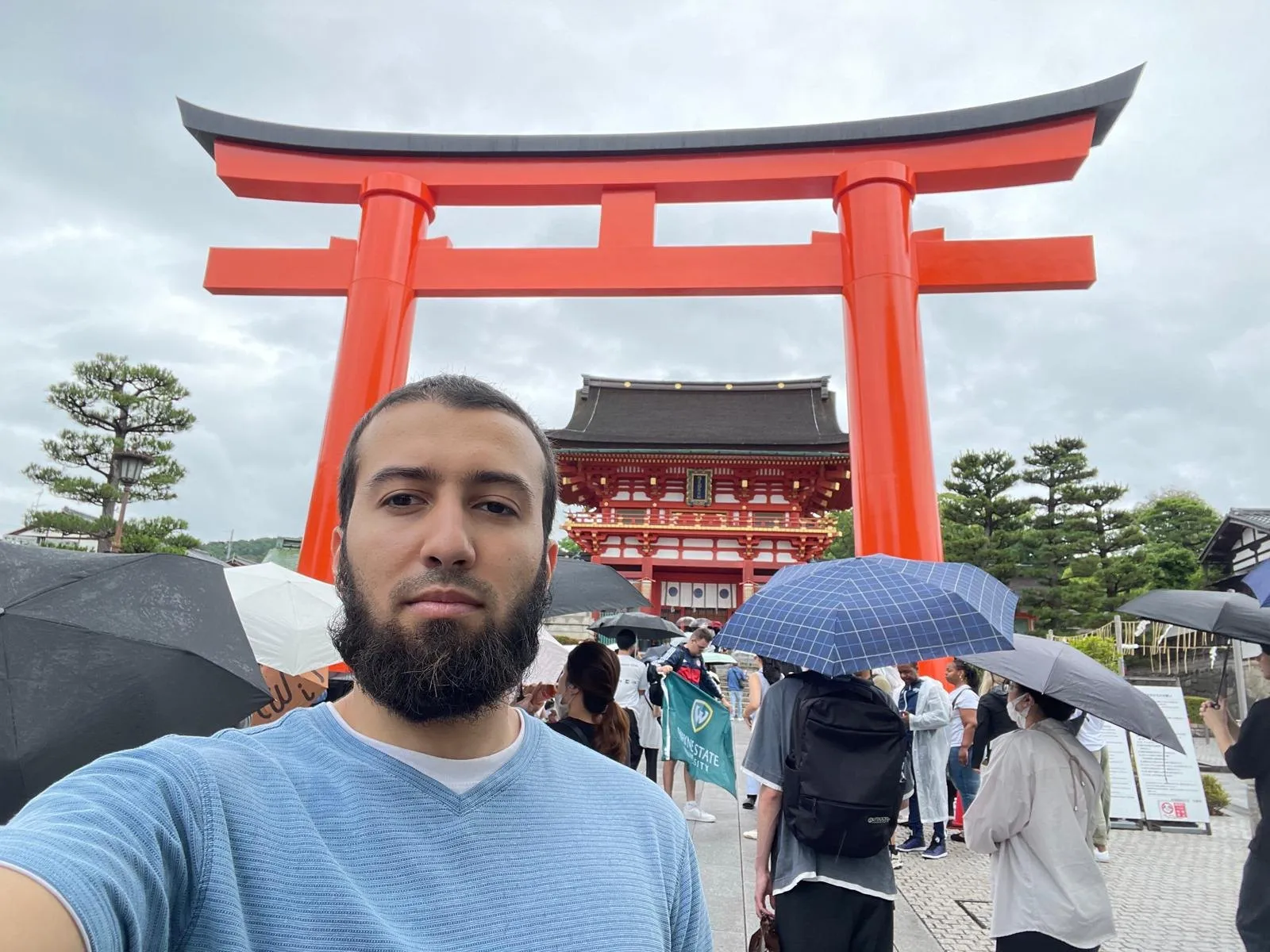
Fushimi Inari Taisha
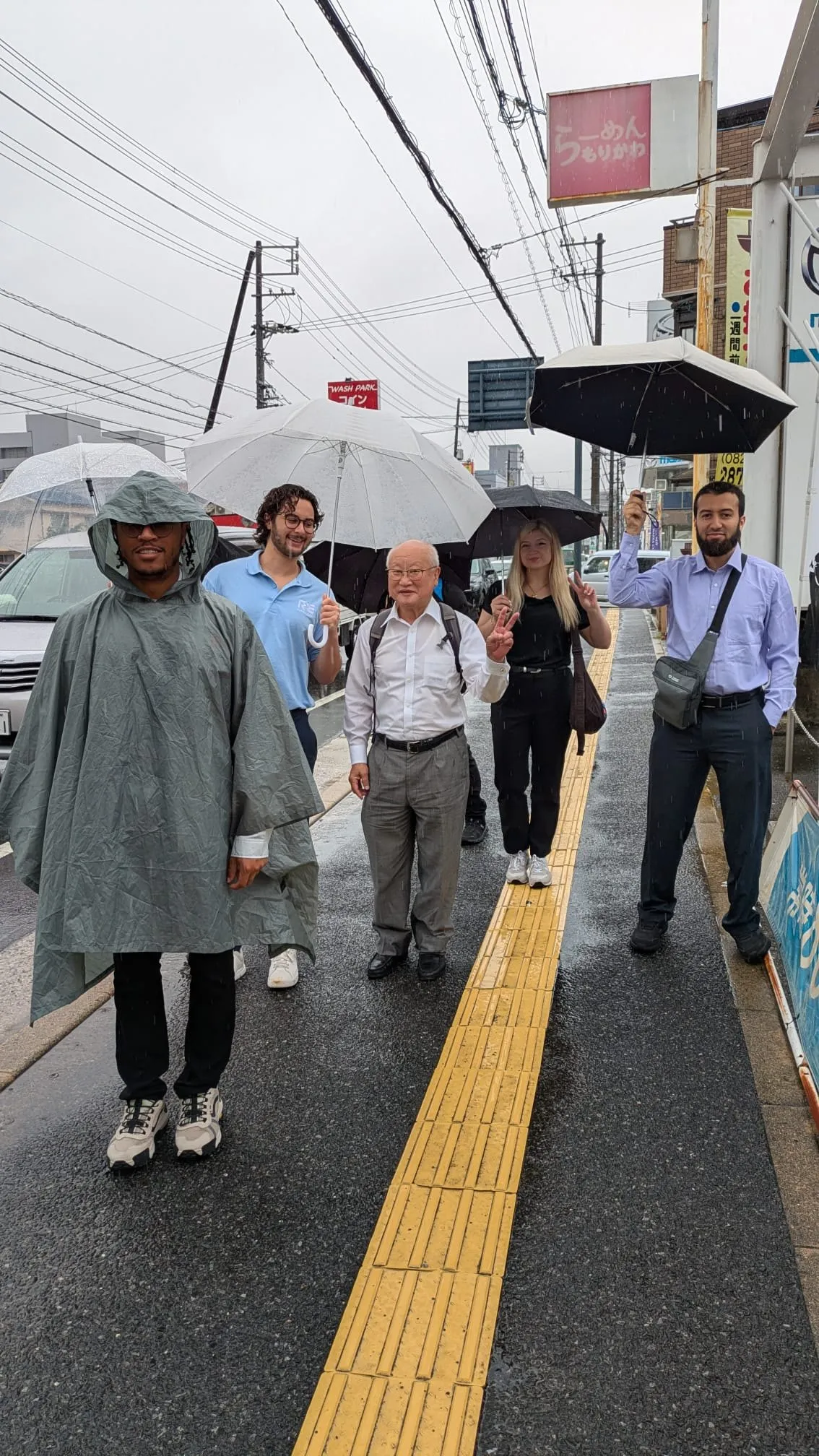
The shrine right off the train station whose path of vermilion gates climbs the mountain behind it. We walked up in the rain.
On my own time
-
What we did not get to
We did not reach the bamboo grove or the other sites. Parts of our group could not manage more walking that day, so the plan changed. That is a real constraint of travelling as a group, and it is worth knowing before you sign up.
What I took from it
It would have been easy to treat this as the tourist day between factory visits. It was not. Understanding why a workplace runs the way it does means understanding the place it sits in, and Kyoto was where that clicked.
04 / 05
Hamamatsu
June 21 – 23, 2026
Based at Okura Act City Hotel Hamamatsu
A factory town, and the first production floor of the trip.
On the program
-
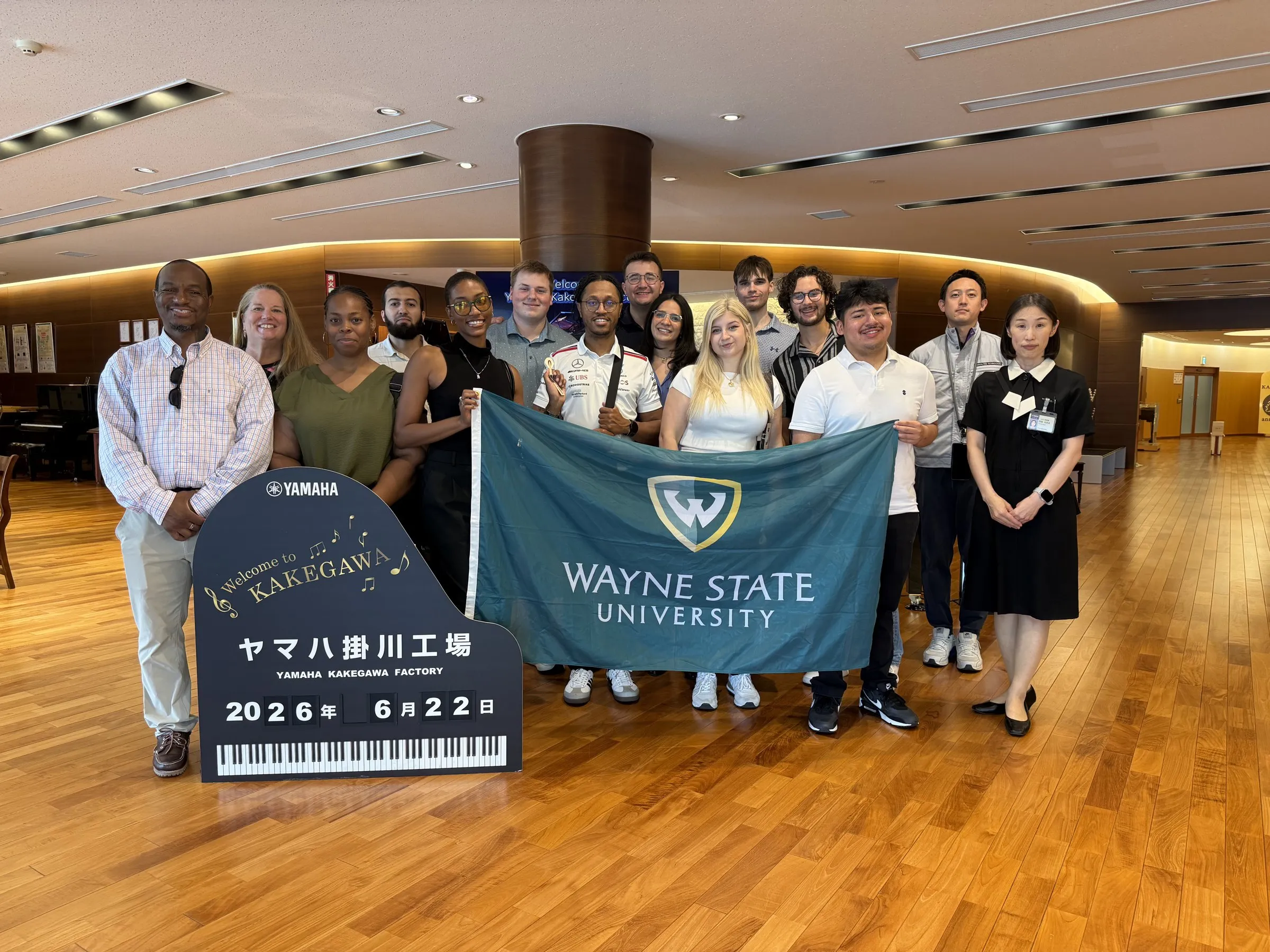
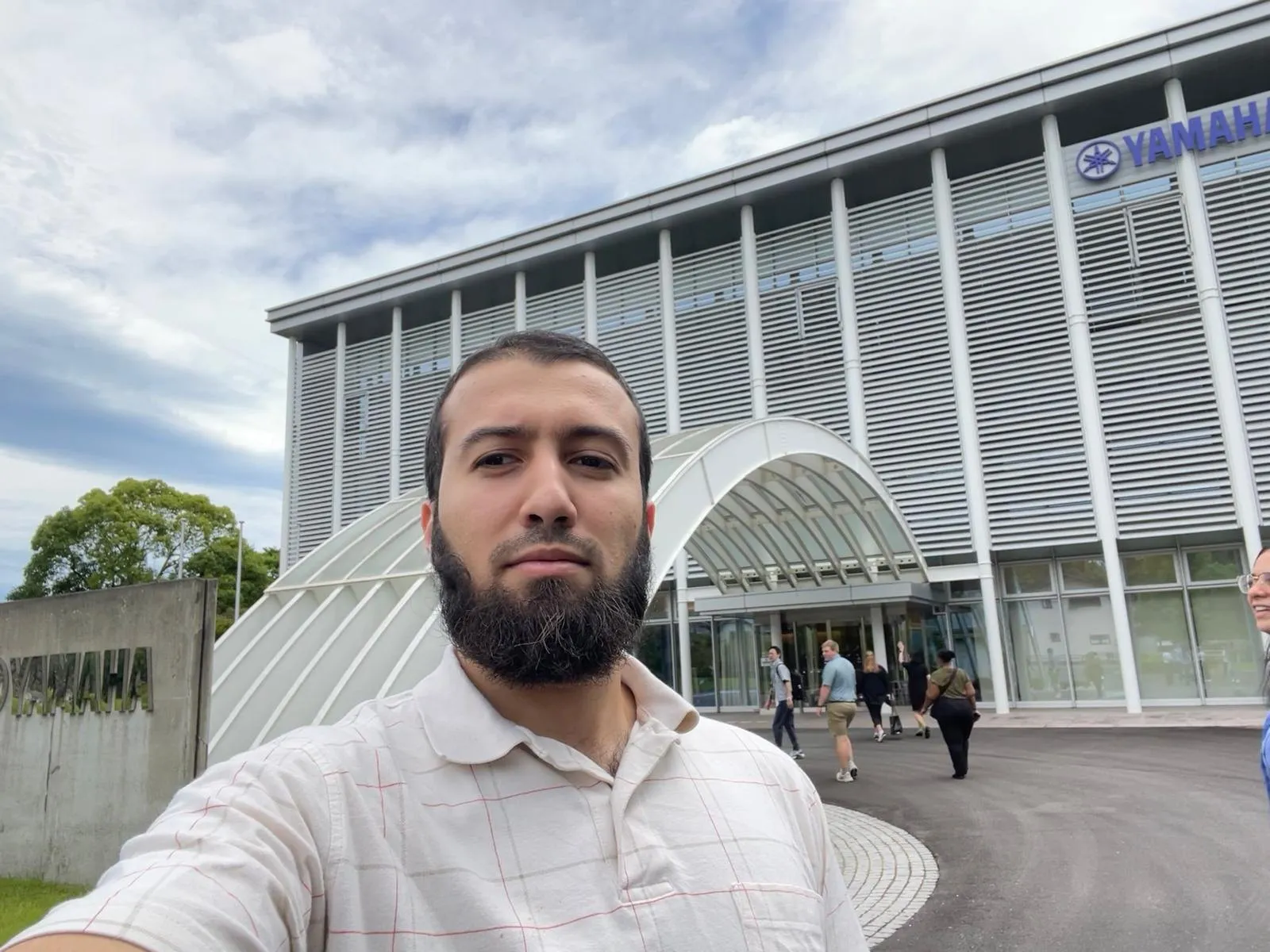
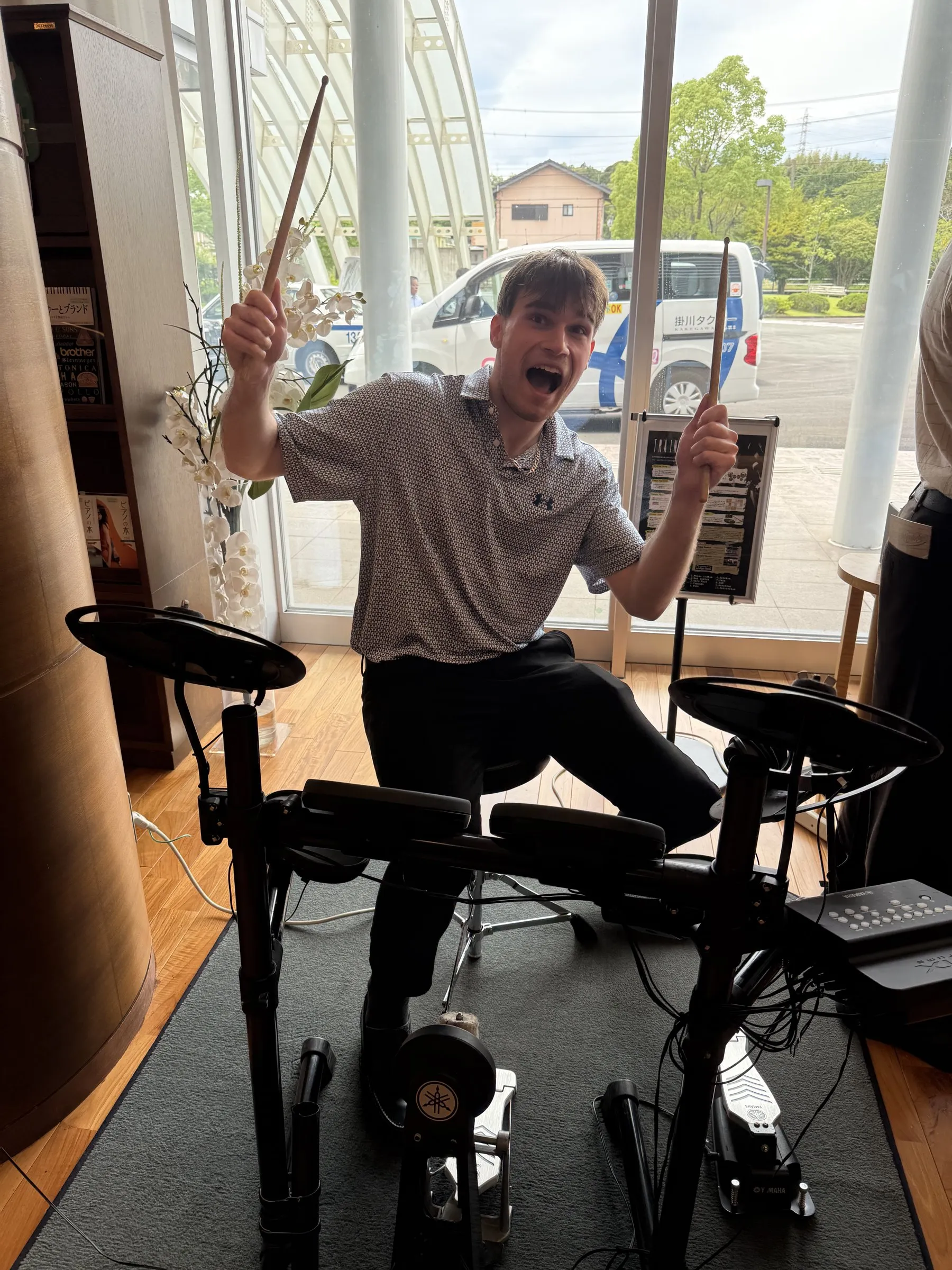
Yamaha piano factory, Kakegawa
Rail out at half past eight, on the floor from quarter to ten until half past three. How grand pianos are actually built: where the process is automated for consistency, and where it stays in a person's hands because nothing else will do.
-
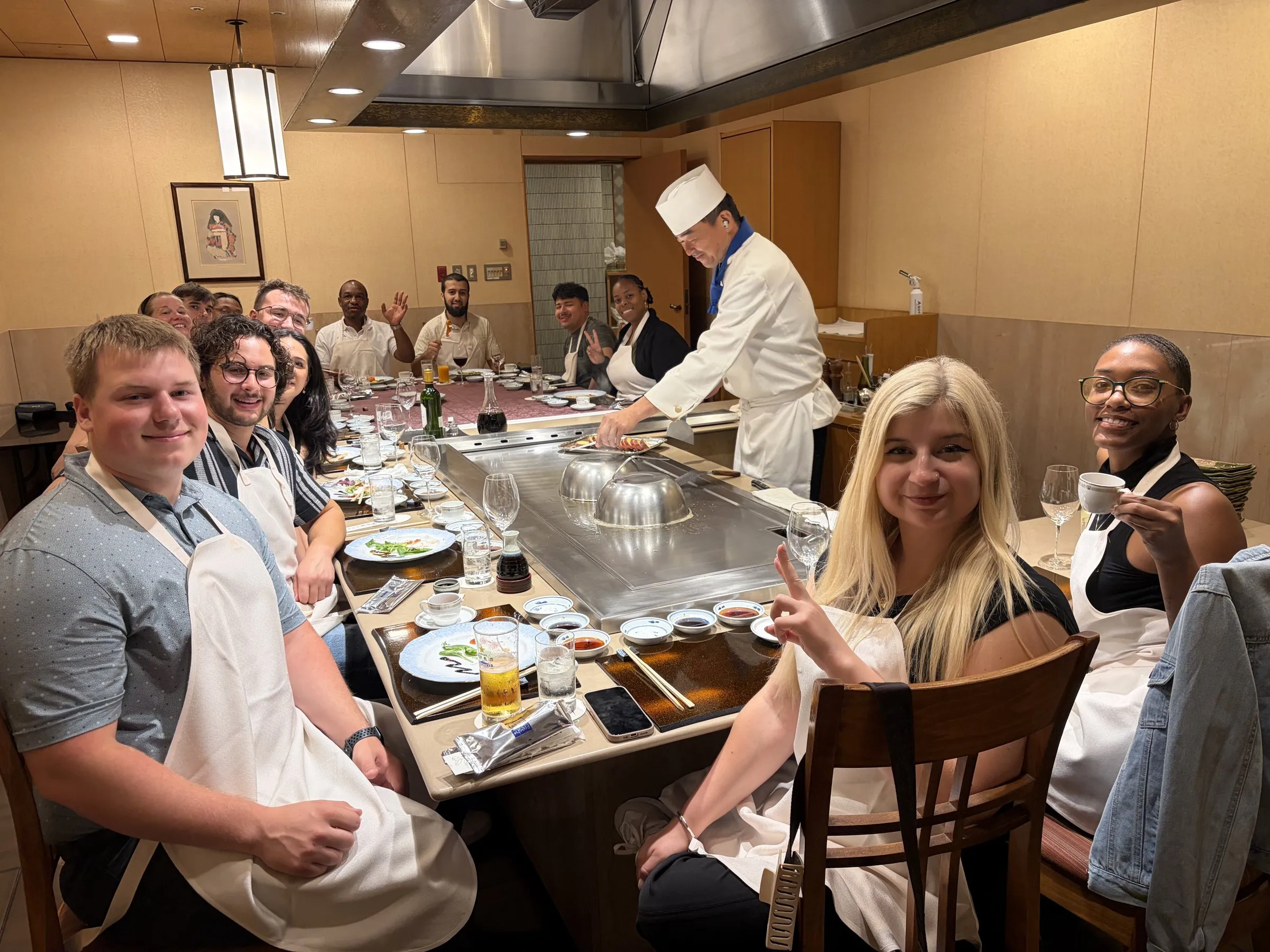
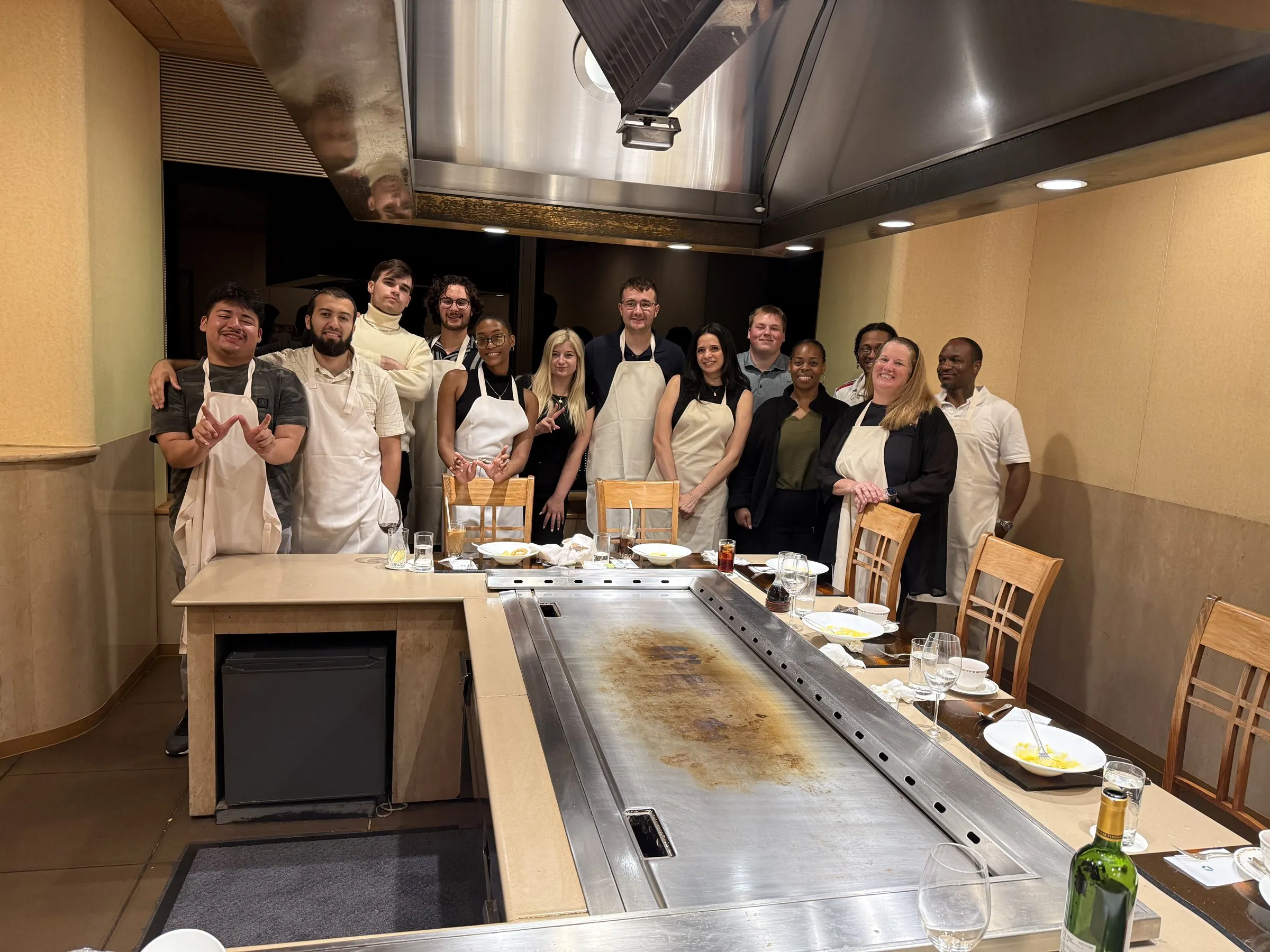
Team dinner, teppanyaki
Cooked in front of us, eaten as a group, with the faculty leader at the table.
On my own time
-
An open day to recover
The Sunday we arrived was unscheduled. After a week of moving, a day with nothing in it is not wasted time.
-
The hotel was part of the lesson
We stayed in the tower that dominates the city, a building designed around music in a town built on instruments. Hamamatsu does not separate what it makes from how it looks.
What I took from it
Yamaha was where the two halves of my degree stopped being separate subjects. You cannot look at that line and only see machines, and you cannot only see logistics. It is one system, and the judgement about which parts stay human is a business decision as much as an engineering one.
05 / 05
Hiroshima
June 23 – 27, 2026
Based at The Knot Hiroshima
Three days inside the automotive supply chain, and an afternoon that had nothing to do with it.
On the program
-
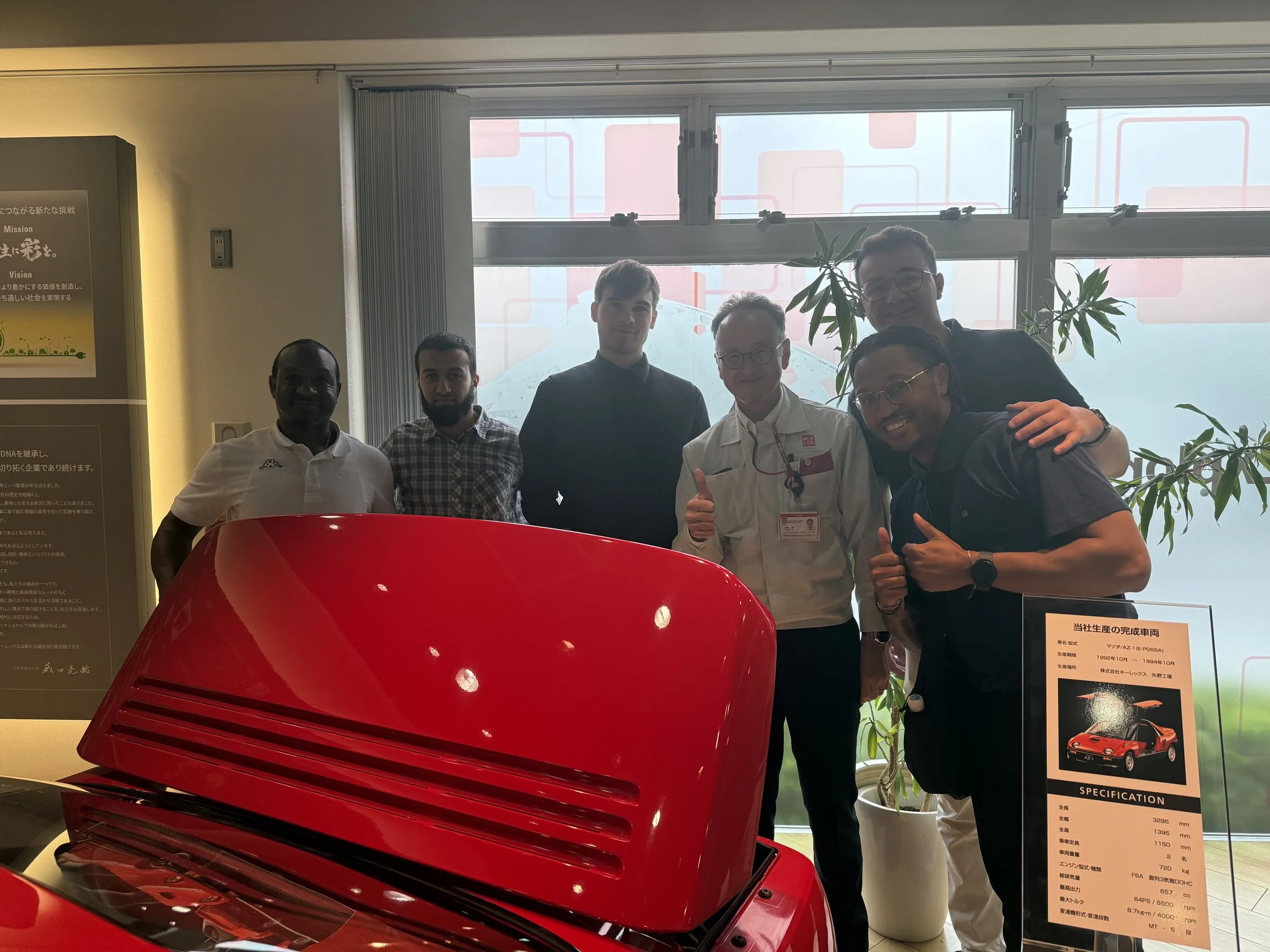
KEYLEX, Yano plant
Out by microbus at eight, on the floor from nine. A Mazda supplier, seeing components actually being formed, and how a supplier's line is paced by the assembly plant it feeds.
-
Miyajima
Straight from the plant to the island shrine the same afternoon, which is a strange and very good way to spend a Wednesday.
-
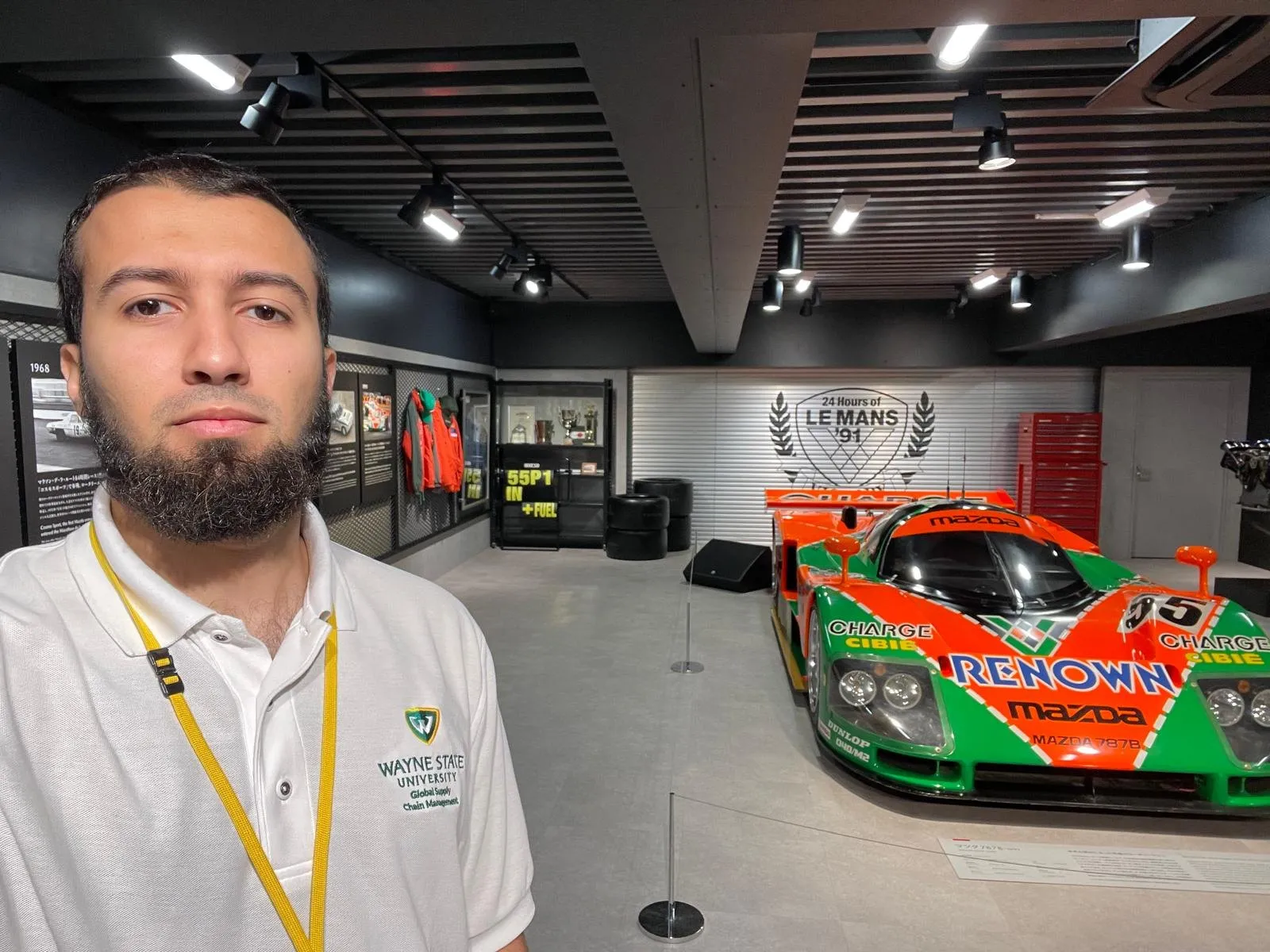
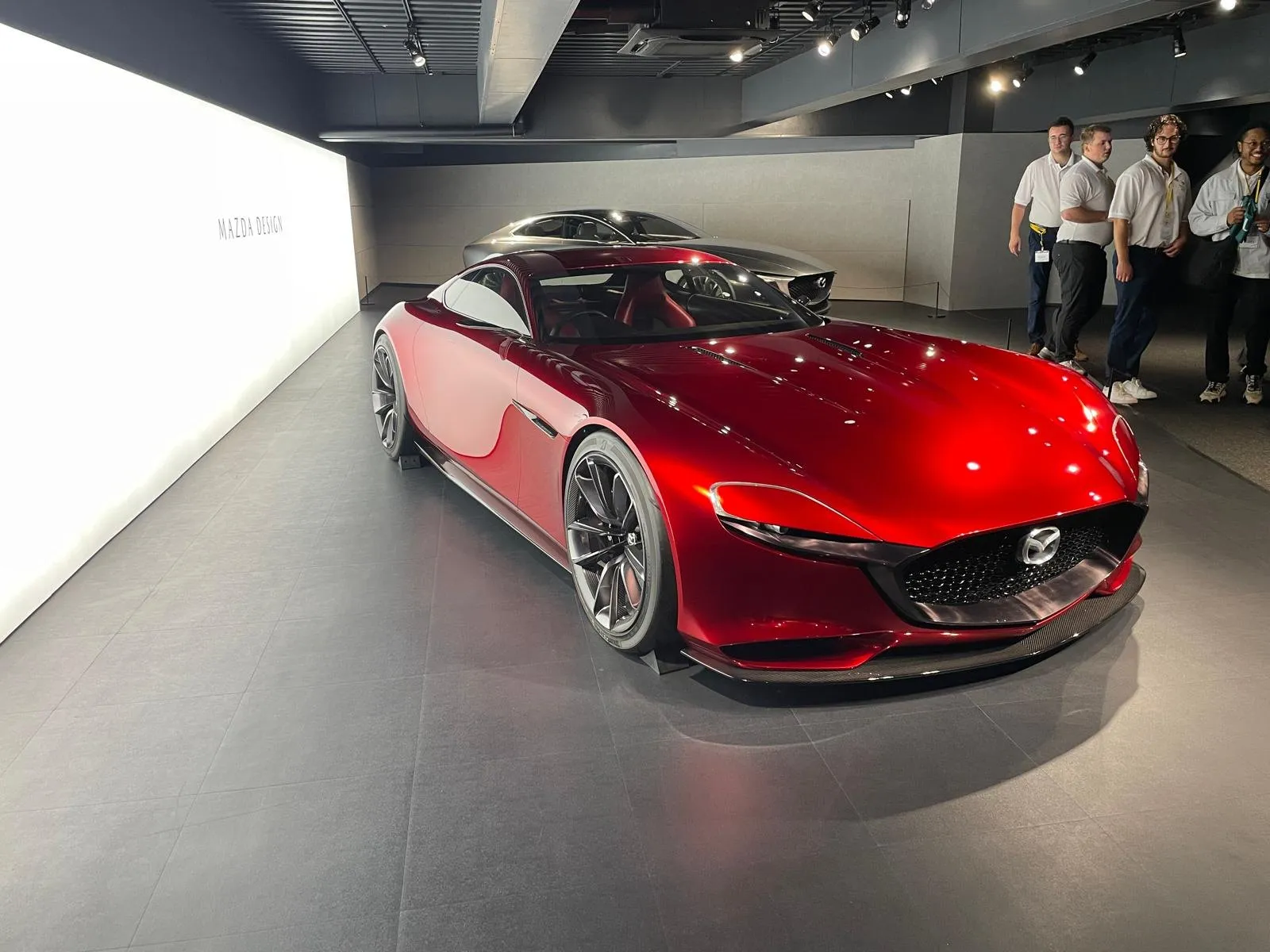
Mazda headquarters and museum
The museum with an interpreter, then an hour of supply chain discussion and questions with Mazda staff. That Q&A was the single most useful hour of the academic programme.
-
Peace Memorial Park and Museum
The same afternoon as Mazda. The Atomic Bomb Dome by the river, the museum beside it, and the Orizuru Tower. Very sad, and the most important few hours of the trip.
-
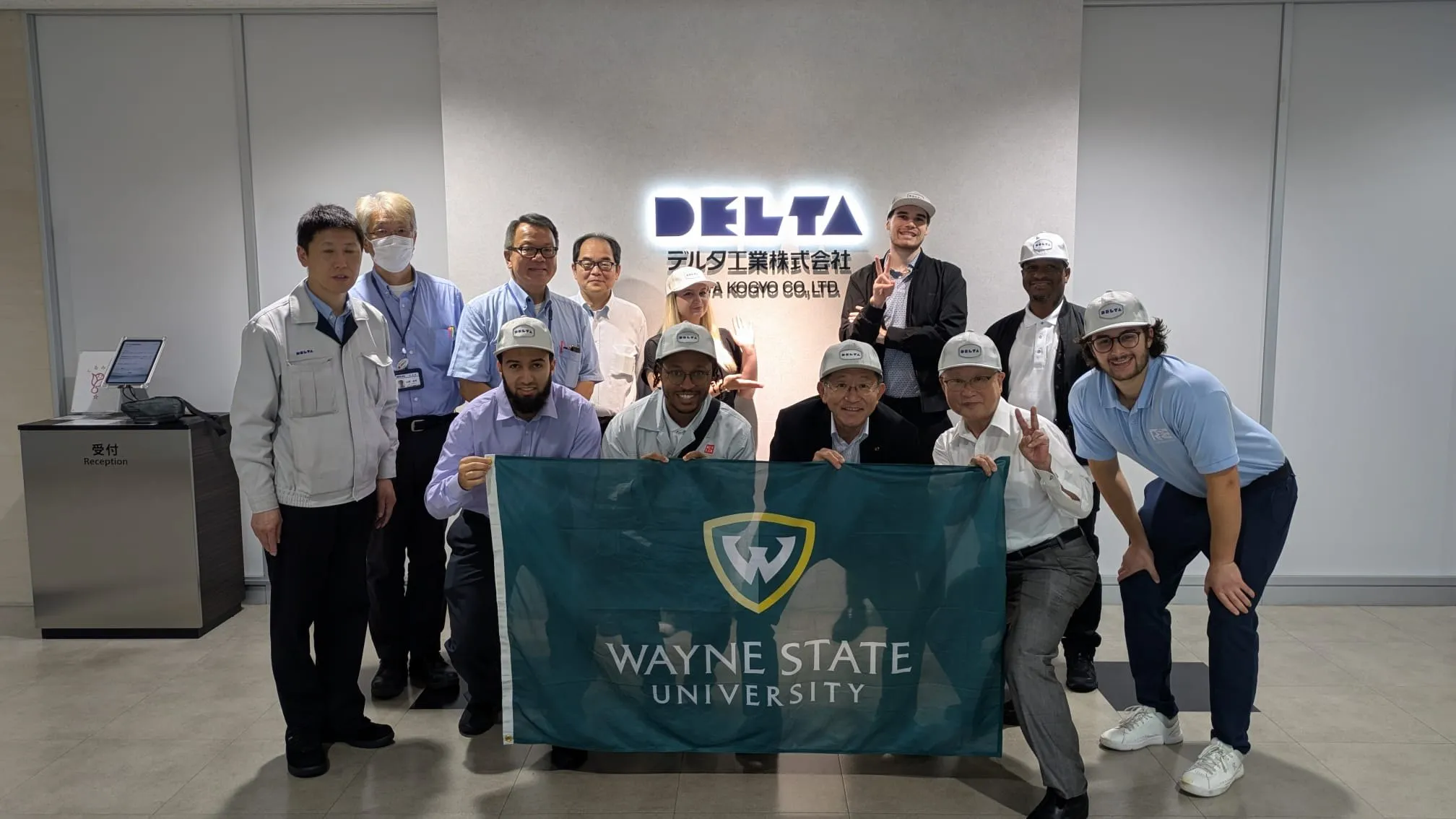
DELTA headquarters
A second supplier in the same network, which made the shape of the tier structure visible rather than theoretical. Then Shukkeien Garden and the station for shopping.
On my own time
-
Two castles and a mountaintop shrine
Went with two classmates up to a shrine at the top of a mountain and watched the water run down into the rivers.
-
Finding halal food, finally
Hiroshima was where I found halal ramen and okonomiyaki after a week of not being able to eat the local food properly.
-
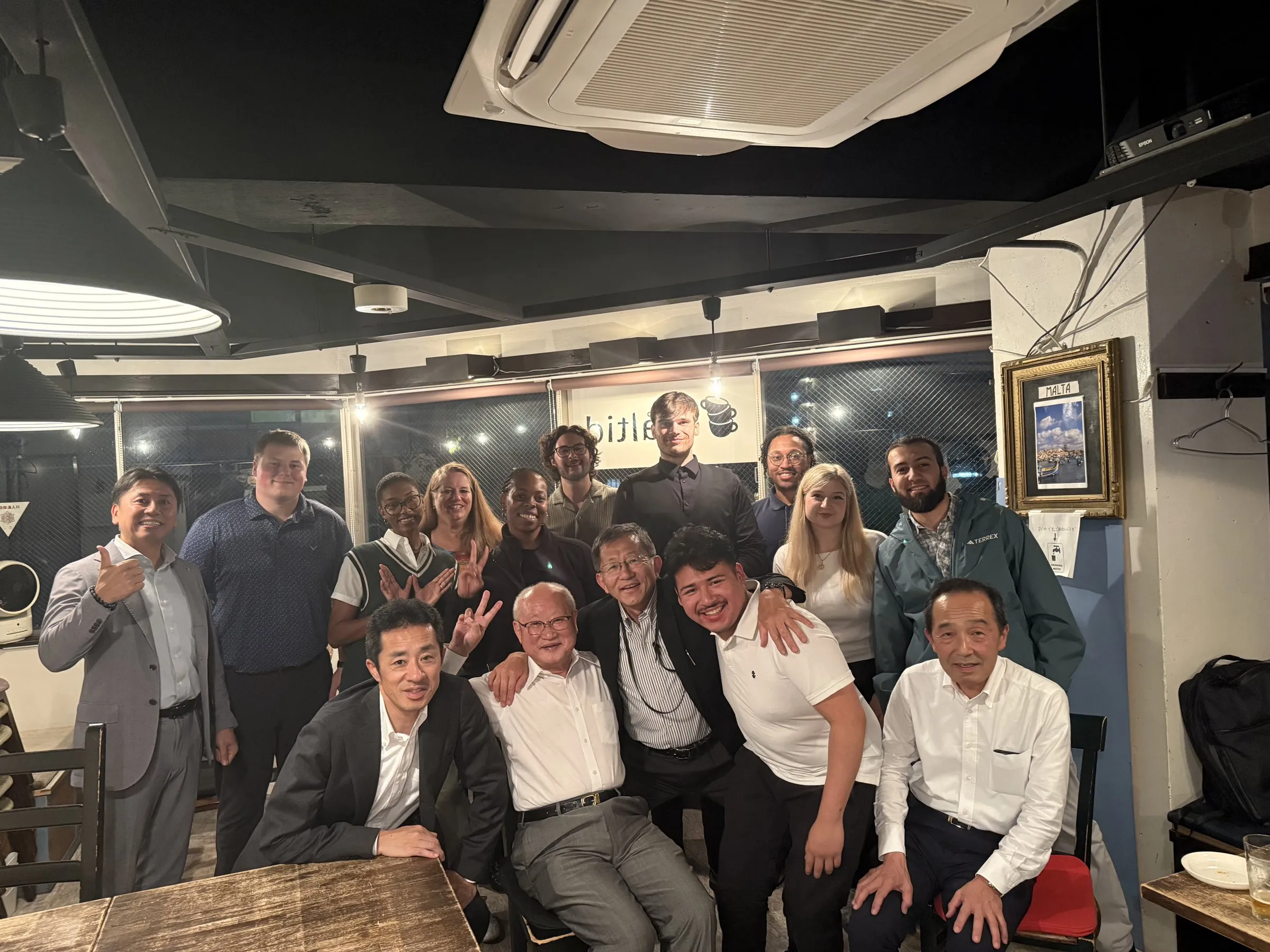
Dinner with our hosts
The people we met at Mazda and the suppliers were the part of the week I did not expect to enjoy as much as I did.
What I took from it
Two typhoons were approaching and part of our group flew home early. The rest of us finished the supplier visits. Seeing KEYLEX and DELTA and then Mazda in the same week is the thing I could not have got from a textbook — the chain as a chain, not as a diagram.
Why this program, for this degree
Where the engineering
meets the supply chain.
Mechanical engineering asks how a product works. Industrial engineering examines how it is made. Business and supply chain management connect those decisions to suppliers, operations, and customers. The visits made those relationships visible within the same production system.
| Where | Discipline | What I saw | What it meant |
|---|---|---|---|
| Yamaha, Kakegawa | Manufacturing engineering | Grand piano production — robotics and precision machining alongside stages still done by hand. | Automation is not applied evenly. It goes where consistency matters more than judgement, and deciding where that line falls is an economic question, not only a technical one. |
| KEYLEX, Yano plant | Component manufacturing | A tier supplier producing formed and stamped parts for Mazda. | A supplier's production schedule is not its own. It is set by the customer's assembly line, which is what just-in-time actually means once you are standing in it. |
| DELTA headquarters | Supplier network | A second supplier in the same regional cluster, two days after the first. | Suppliers cluster around the assembler for a reason. Geography is a cost in a supply chain, and the map explains the inventory strategy. |
| Mazda, Hiroshima | Assembly, and the chain itself | The assembler those suppliers feed, plus a dedicated supply chain question-and-answer session with Mazda staff through an interpreter. | Seeing both ends in one week, and then getting to ask the company how it manages the middle, turned "supply chain" from a term in a syllabus into a set of real buildings with real distances between them. |
A connected view of industry. Observing suppliers and an assembler within the same program helped connect component production with final assembly. Discussions about supply chains and a business case with Japanese students extended that perspective beyond the factory floor.
The unvarnished part
Four things I would tell you
before you sign up.
The logistics were harder than the days
Moving between four hotels meant moving luggage, and on transfer days that meant a lot of walking. My suitcase broke and cost me $120 to replace. If I ran it again I would budget for taxis to the station instead of treating that as a luxury.
A group moves at the group's pace
We missed sites in Kyoto because not everyone could keep walking. That is not a complaint about anyone, it is the trade. You get a built itinerary, company, and a faculty member who knows the country, and you give up some control over the day.
Weather and plans
Two typhoons were forecast near the end and some of the group left early. Short programs have no slack in them, so anything that moves the schedule costs you a site.
It ends quickly
Fourteen days is long enough to change how you think and too short to get comfortable. If I went again it would be for longer, and I would still take the two weeks over not going.
Credit where it is due
The person who
opened the door.
Lori Sisk
Lori led the program and did a great deal more than lead it. She helped me work out which scholarships were worth applying for, and she put me in front of the people who could actually answer my questions. A lot of what is on this site started as something she pointed me toward. If you are at the start of this, find the person in your own office who will do that for you, and then actually take up their time.
Where this account comes from
Four sources, no reconstruction.
- ITINThe program itinerary
- REFLECTMy post-trip reflection
- PHOTOMy photographs, dated
- HOTELThe program accommodation list
Where my memory and the paperwork disagreed, the paperwork won. An earlier version of this page had Kyoto as an overnight stay. The program itinerary and the hotel list both show it was a day trip out of Osaka, so that is what it says now. Nothing here has been filled in after the fact.