Detroit to Tokyo · June 2026

An education beyond borders.

From Wayne State to Japan: a mechanical engineering student's perspective on manufacturing, global supply chains, and life beyond the classroom. Made possible in part by the Gilman Scholarship. Documented so the next student can take the first step.

An illustrated globe connecting Detroit, Michigan and Tokyo, Japan. The arc is a visual connection, not a flight itinerary. Smaller markers show the countries the author is working toward next, which are listed in full further down this page.

Drag to explore · Hover over a blue marker

Japan · June 2026

A different place.
A wider perspective.

Factory floors. Shared classrooms. Conversations over dinner. An education shaped by the people and places between each stop.

Explore the Japan journal
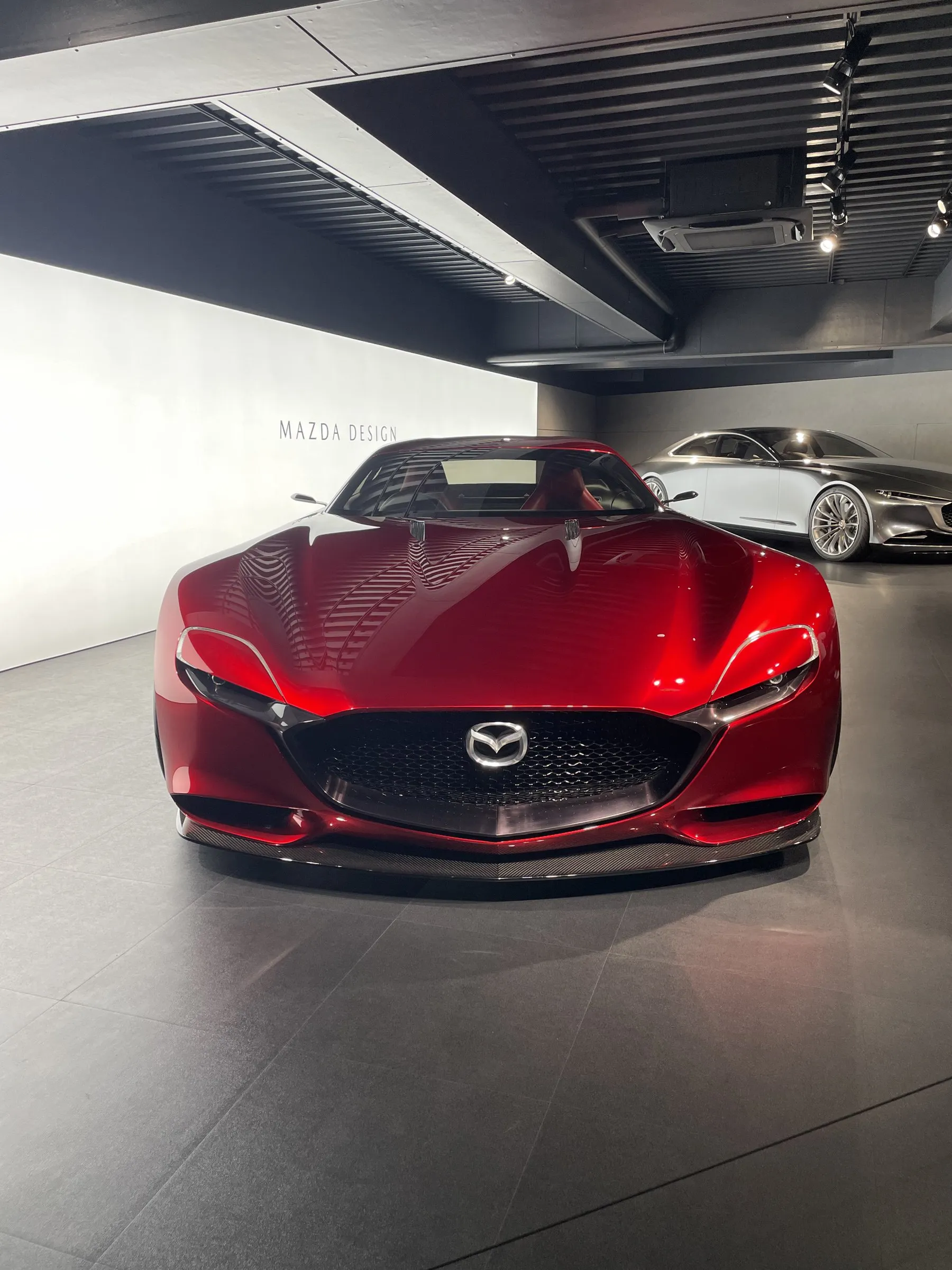
Mazda RX-Vision concept car viewed from the front at the Mazda Museum.

Engineering & global supply chains

From component to customer.

A product connects design decisions to materials, production processes, suppliers, and customers. Visiting Yamaha, KEYLEX, DELTA, and Mazda brought those relationships into view.

Explore the industrial perspective
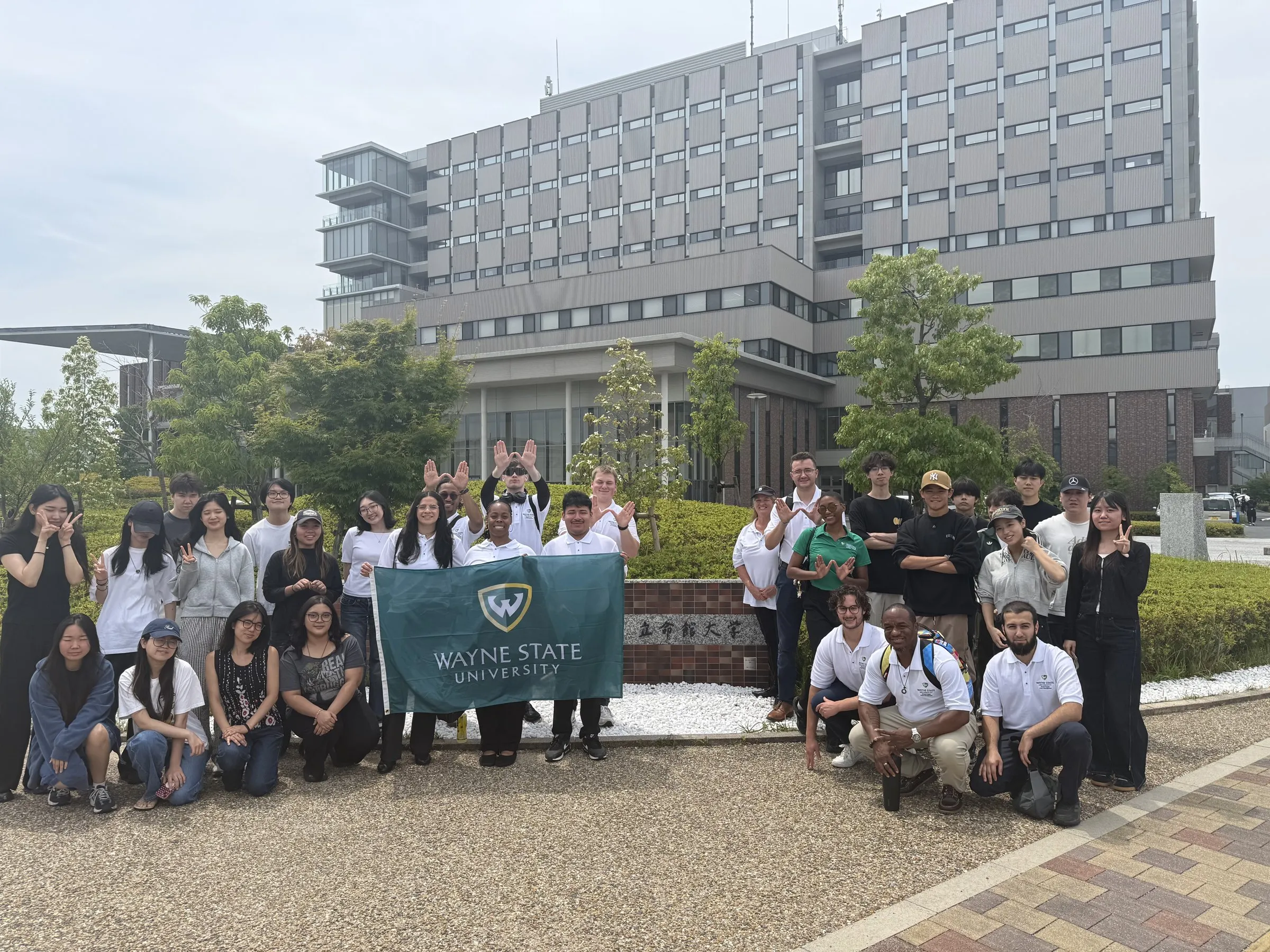
Wayne State and Japanese university students together after their academic exchange in Osaka.

Learning across cultures

A shared problem. New perspectives.

Working through a business case with Japanese students made collaboration an everyday practice: listening carefully, explaining a position, and finding a way forward together.

Inside the classroom exchange
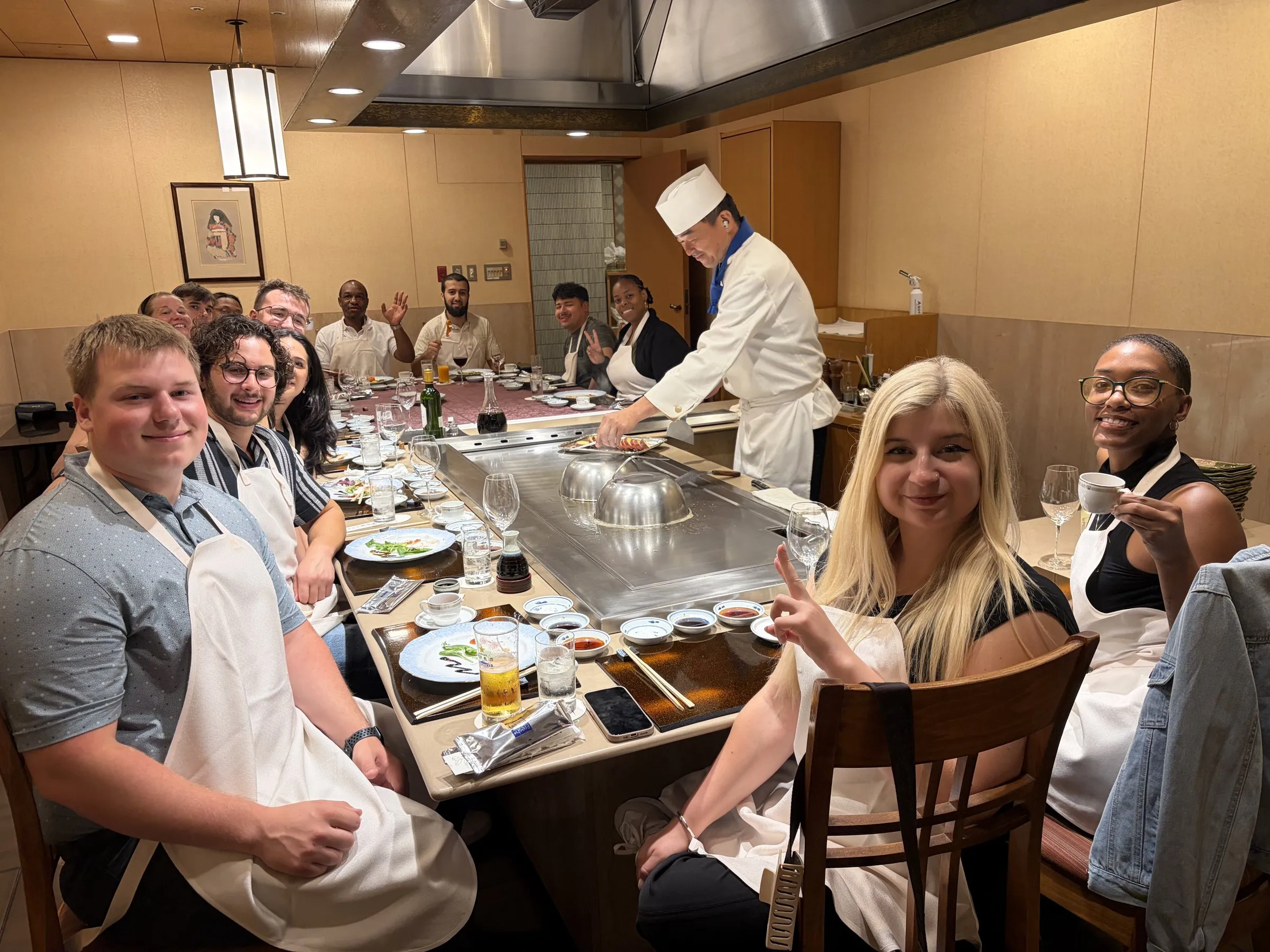
Classmates sharing a meal around a teppanyaki counter in Hamamatsu.

Life with classmates

The moments between the itinerary.

Shared meals, train journeys, rainy walks, and evenings in unfamiliar cities made the program personal. The academic experience and the experience of living abroad developed together.

Meet the experience beyond class

Why this exists

Access starts with understanding the cost.

International experience belongs in an engineering education. For students managing a limited budget, the challenge is understanding how to pay for it. Pell to Planet makes that process visible through my own experience.

Program fees, travel, and tuition need to be considered together. Scholarships and financial aid have different conditions and payment schedules. This guide separates those pieces so students can prepare informed questions for their advisors.

My faculty-led program connected industrial visits with cultural immersion and learning alongside Japanese students. This project shares both the value of that experience and the financial planning behind it.

Everything here carries a source. Costs come from my own statements and receipts, awards from my award letters, and rules from the official pages, each with the date I checked it. Where I do not know a number, it says so instead of guessing.
The award that opened the door $2,500 Benjamin A. Gilman International Scholarship, U.S. Department of State
14 Days in Japan June 13–27, 2026
4 Factory floors Yamaha, KEYLEX, DELTA, Mazda
WSU Faculty-led learning Led by Lori Sisk
3 Credits earned GSC 4991, toward my degree

The trip cost roughly $8,000 all in. Awards and aid covered most of it. The full breakdown →

June 20 · Kyoto

Culture gives
industry its context.

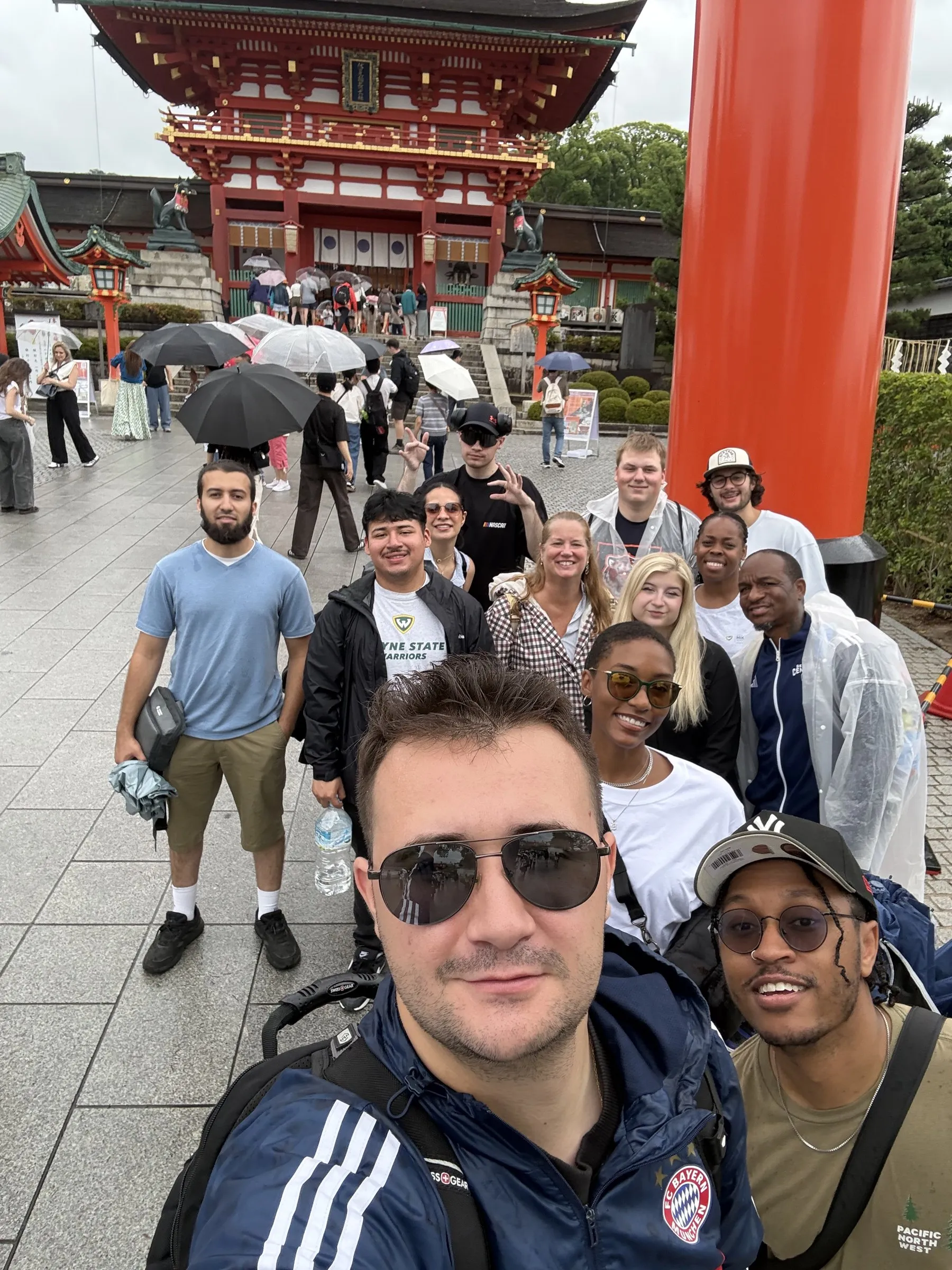
Our class walked the Fushimi Inari path in the rain. In Osaka, we had worked through a business case with Japanese students. At Yamaha, we observed how careful manufacturing decisions shaped an instrument. Each place added context to the next.

What going with your school looks like

Shared learning.
Lasting connections.

A faculty-led program provides an academic itinerary and a group to share it with. Between site visits and coursework, there is room to explore, adapt, and build friendships in unfamiliar places.

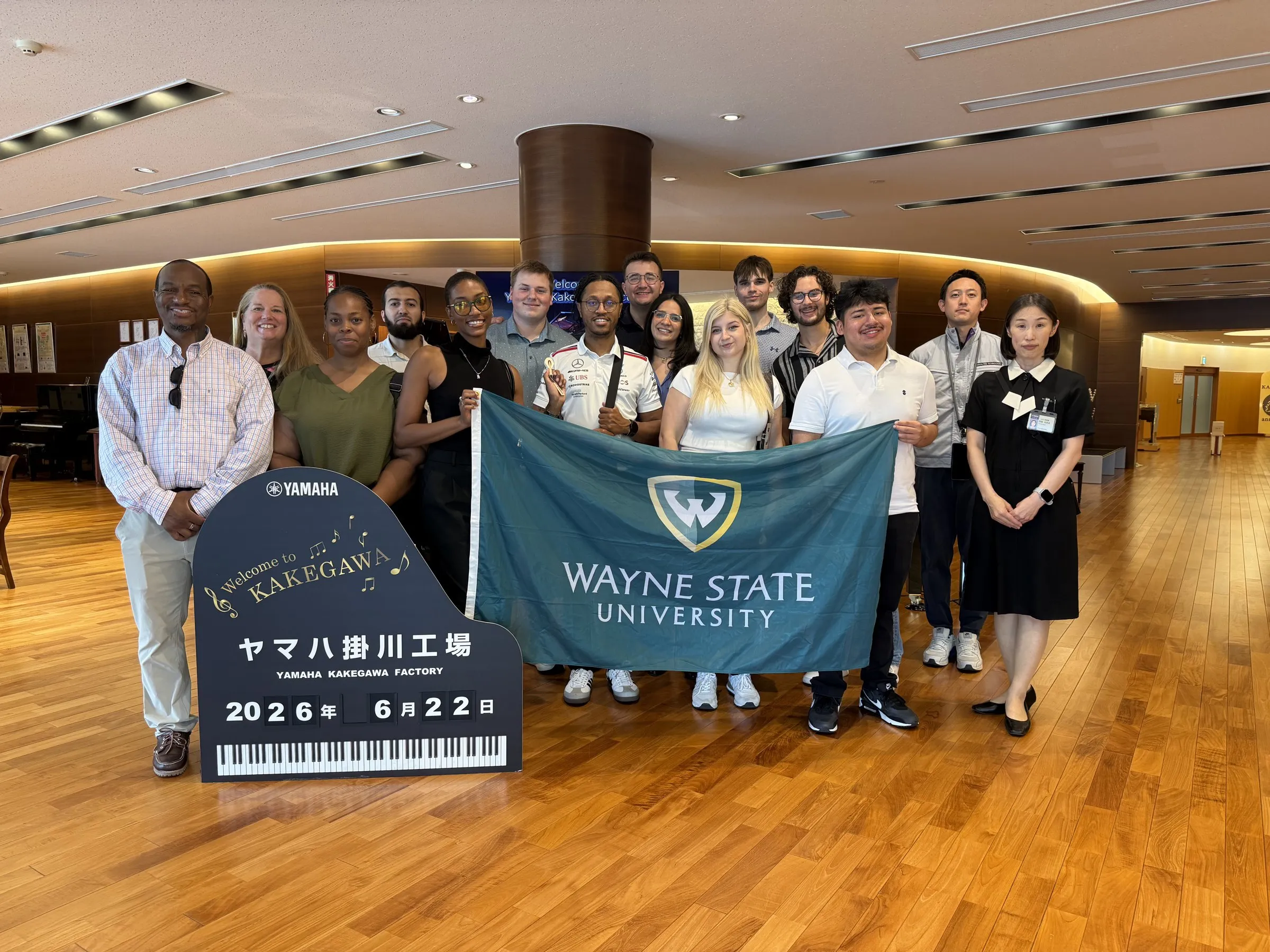
The Wayne State group holding a university flag in the lobby of the Yamaha Kakegawa piano factory, beside a piano-shaped welcome sign dated June 22, 2026.
Our group at Yamaha Kakegawa after the manufacturing visit, June 22.
A group selfie of the Wayne State students in front of the main gate at Fushimi Inari shrine in Kyoto, with umbrellas up in the rain.
A rainy day trip to Fushimi Inari with classmates.
The Wayne State group and Japanese students posed together with a Wayne State flag outside a university building in Osaka.
With Japanese students after a business case discussion in Osaka.
The group seated around a teppanyaki grill in Hamamatsu while a chef in white cooks in front of them.
Dinner together after the day’s activities in Hamamatsu.
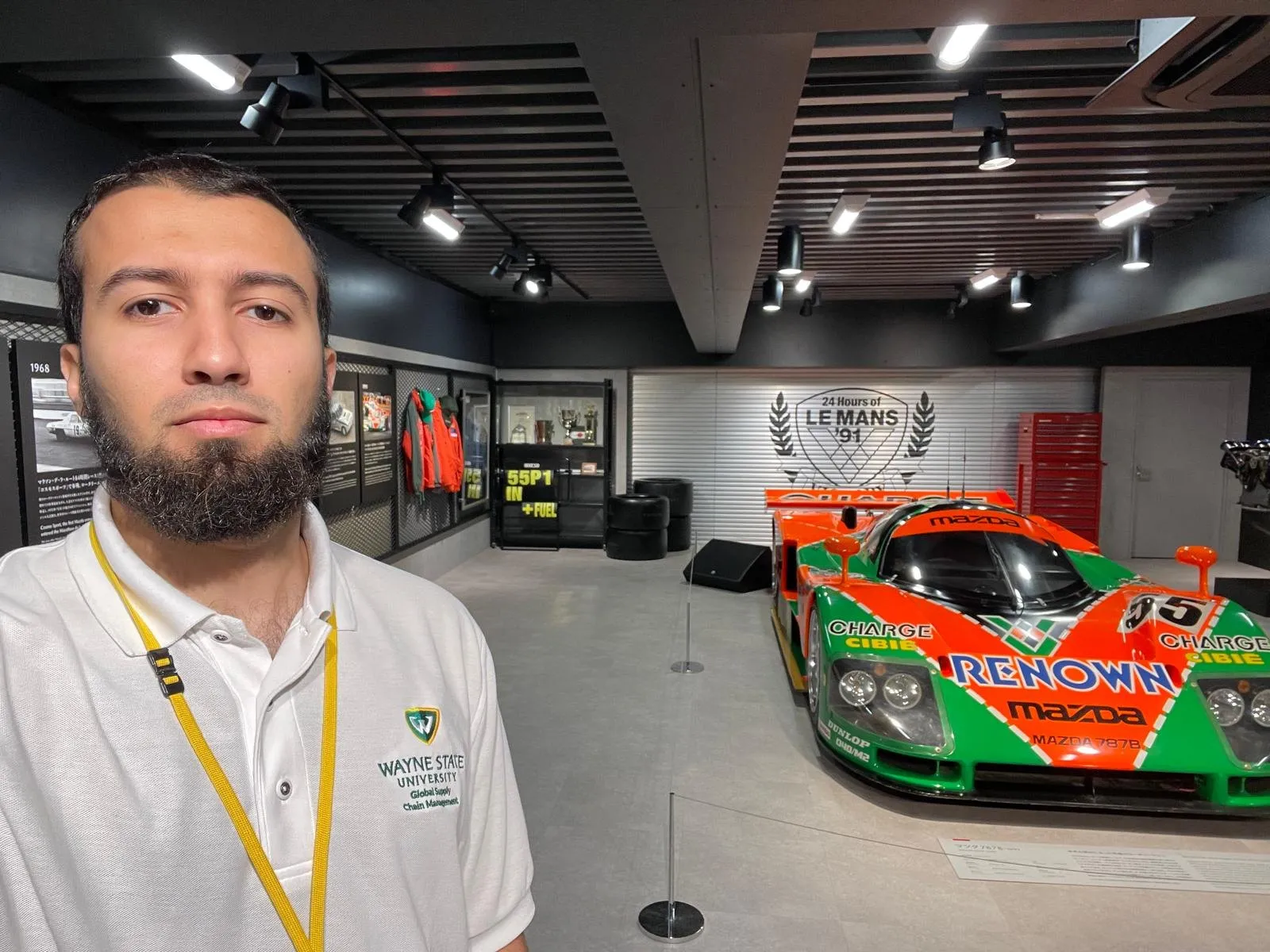
Gotibeh in a Wayne State polo at the Mazda Museum in Hiroshima with the green and orange Mazda 787B Le Mans car behind him.
At the Mazda Museum, tracing the company’s engineering history.
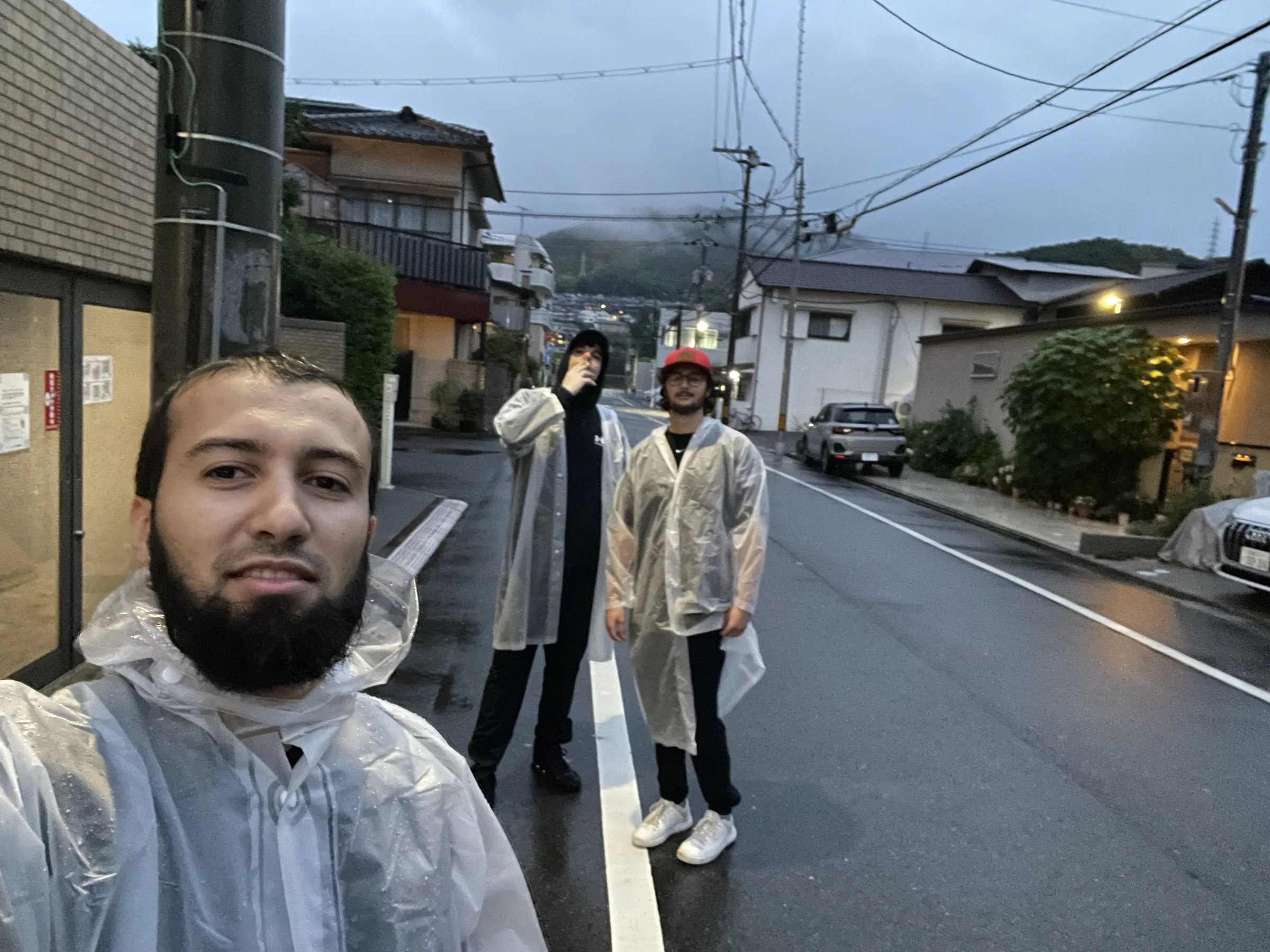
Three classmates in clear plastic rain ponchos standing on a wet residential street in Hiroshima at dusk.
Classmates navigating a rainy evening in Hiroshima.

Walk the whole trip

Who this is for

A practical resource.
A broader invitation.

I wrote it with Wayne State engineering and business students in mind, because that is who I am and those are the offices I can name. But the method — take the budget apart, separate what follows the trip from what follows the term, ask for the review, line up the dates — works at any US university.

Students

Start with my numbers to see what a real short program costs, then the calculator to work out yours.

Advisors and student orgs

There is a page built for you, with a summary you can forward and a printable handout.

Anyone checking my work

Every figure, rule and date on this site is listed with its source on the sources page.

Where I go from here

The next chapter
has a global outlook.

Two weeks changed what I think is possible. I am working toward a graduate program abroad in manufacturing and supply chain, and these are the countries I am aiming at. They are plotted on the globe at the top of this page.

Europe

  • United Kingdom
  • France
  • Spain
  • Netherlands
  • Germany
  • Switzerland
  • Finland
  • Lithuania
  • Russia

Central Asia

  • Kazakhstan
  • Uzbekistan
  • Kyrgyzstan

Gulf

  • Saudi Arabia
  • United Arab Emirates

East Asia

  • China
  • South Korea

If you fund, host or advise international students, I would like to hear from you. My background is mechanical engineering and global supply chain management, and what I want next is to study how electrified, automated manufacturing actually works somewhere it is being built.

Get in touch LinkedIn

Your turn

Find out what your
number actually is.

The calculator asks for the same handful of lines I had to chase down, then shows you the gap and when it falls due. Print it and bring it to Financial Aid.

Open the gap calculator